

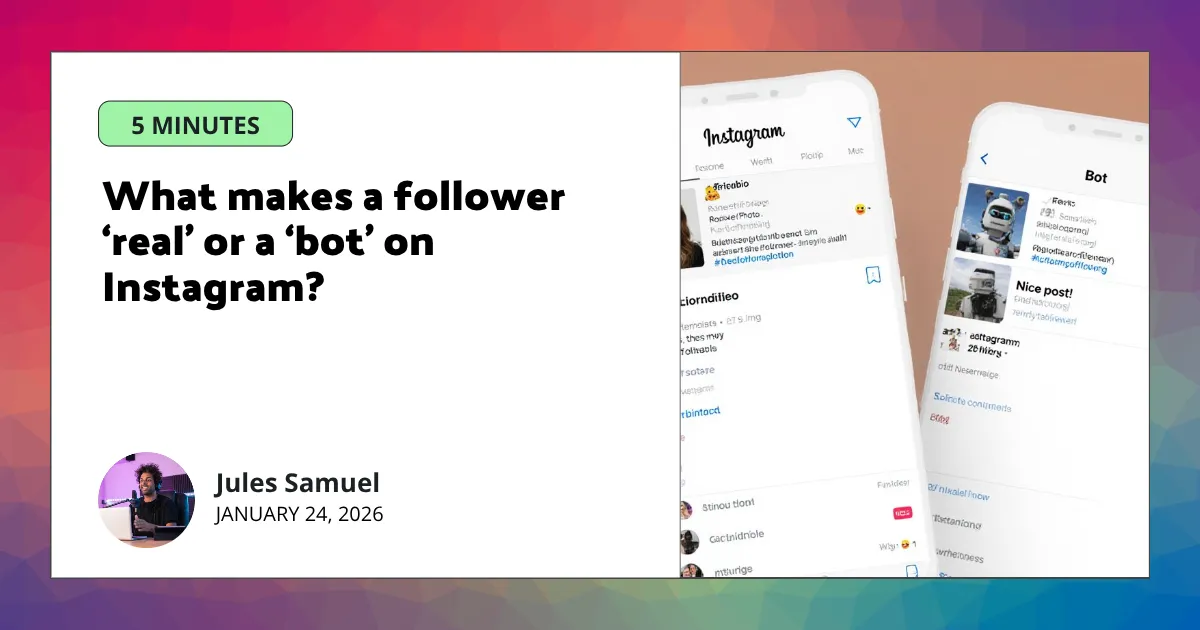
Understanding the differences between real and bot Instagram followers helps brands and creators determine whether all bought Instagram followers are the same. Authentic engagement forms the foundation of meaningful connections, while fake followers can harm your reach and credibility. Recognizing these patterns protects your brand reputation and enables a genuine community-building social media presence.
What Defines a Real Instagram Follower?
A real Instagram follower represents a genuine person who actively engages with the platform and chooses to follow your content based on authentic interest. These followers maintain complete profiles with personal photos, meaningful usernames, and detailed bios that reflect their personality or interests.
Real followers demonstrate consistent posting patterns, sharing their own content regularly and interacting naturally with others. Their engagement behavior includes thoughtful comments, relevant likes, and genuine shares that align with their interests. When examining real vs bot Instagram followers, authentic users typically maintain balanced follower-to-following ratios, avoiding mass following behaviors.
These followers contribute to meaningful community interactions by responding to stories, participating in conversations, and showing sustained interest in your content over time. Their profiles display natural activity patterns, with varied posting times and authentic interactions across different types of content. Real followers form the foundation of genuine social media growth, providing valuable feedback and creating lasting connections that benefit both creators and brands seeking authentic audience engagement.

Common Traits Of Bot Or Fake Instagram Followers
Fake followers and bots typically share several identifiable characteristics that distinguish them from authentic users. These accounts often display incomplete profiles with generic or missing profile pictures, frequently using default avatars or stock images. Their usernames tend to follow predictable patterns, combining random numbers with common words or featuring unusual character sequences.
Bot accounts commonly exhibit extreme follower-to-following ratios, such as following thousands of accounts while having very few followers themselves. Their posting activity appears minimal or non-existent, with feeds containing little to no original content. When these fake Instagram accounts do interact, their engagement patterns seem unnatural and repetitive.
Here are the most common red flags that indicate followers bots:
- Empty or incomplete bio sections
- No profile picture or generic stock images
- Following counts exceeding 1,000+ accounts
- Zero or very few posts on their feed
- Generic comments like “Nice post!” or single emoji responses
- Usernames with random number combinations
These characteristics help distinguish artificial accounts from genuine users who contribute meaningfully to social media communities.
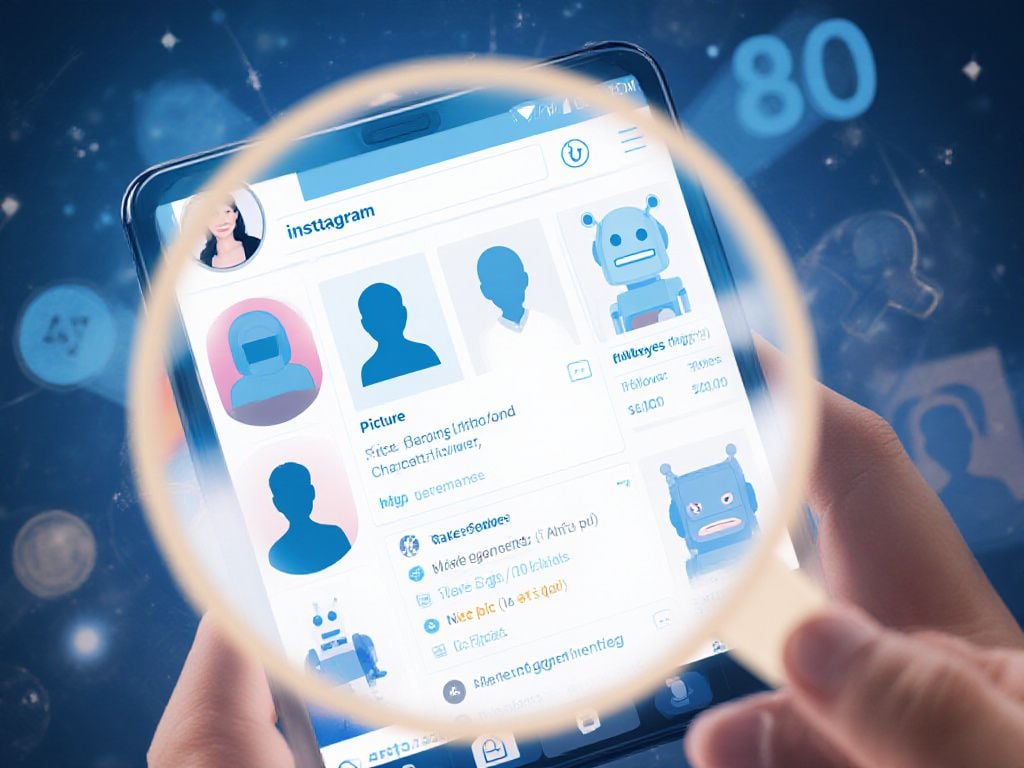
How Real And Fake Followers Behave Differently On Instagram
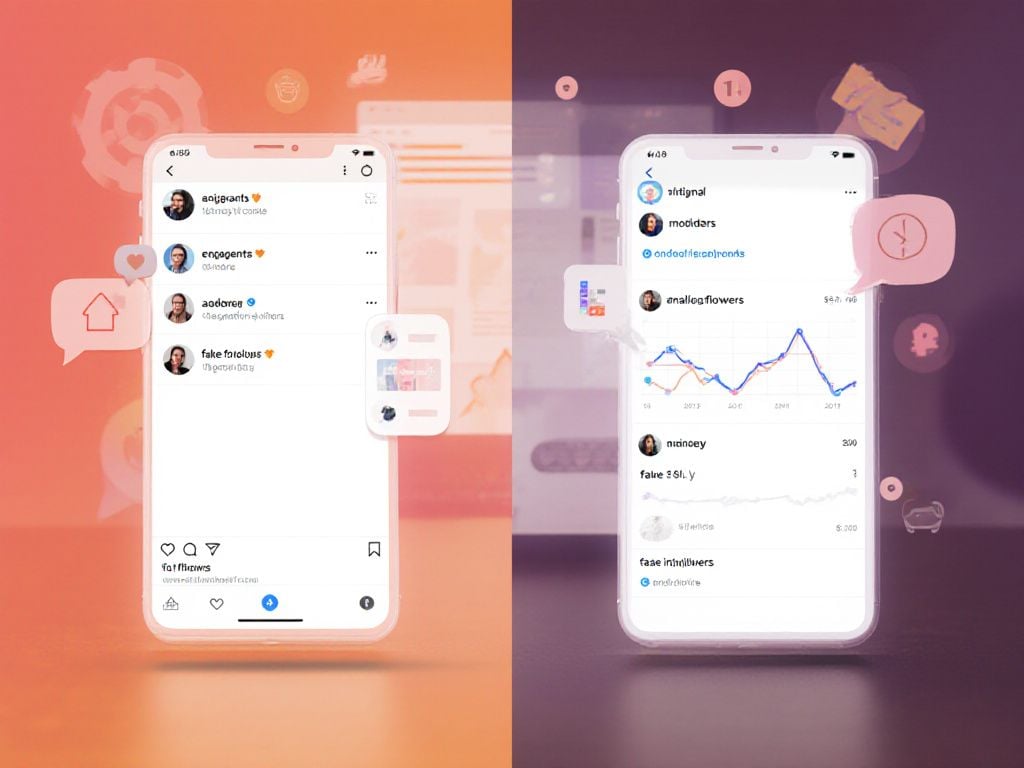
The behavioral differences between real followers and fake followers on Instagram become apparent through their interaction patterns. Real followers engage meaningfully with content by leaving thoughtful comments, sharing posts to their stories, and saving content for later viewing. They respond to polls, react to stories with relevant emojis, and participate in conversations within the comment sections.
Fake followers typically show minimal to no engagement with posts. When they do interact, their comments tend to be generic phrases like “Great post!” or single emoji responses that don’t relate to the content. These accounts rarely save posts, share stories, or engage in meaningful dialogue with other users.
This behavioral gap significantly impacts engagement rates. Accounts with high numbers of fake followers often see their engagement rate drop below 1-2%, while profiles with authentic audiences maintain rates between 3-6%. Instagram’s algorithm recognizes these patterns, potentially reducing the reach of content from accounts with predominantly inactive followers, which can mislead brands evaluating potential marketing partnerships.
Visual And Behavioral Red Flags To Identify Fake Followers
Identifying fake followers requires examining specific visual and behavioral patterns that distinguish bots from authentic accounts. Profile anomalies often provide the clearest indicators when you want to spot fake accounts effectively.
Visual red flags include empty or generic profile pictures, missing bios, usernames with random numbers or characters, and recycled content across multiple accounts. Many fake followers display unusual follower-to-following ratios, such as following thousands while having few followers themselves.
Behavioral patterns reveal additional warning signs. Sudden spikes in follower count without corresponding engagement increases suggest purchased bots. Comments from fake followers typically appear generic, irrelevant, or repetitive across different posts. Geographic mismatches between audience location and content language can indicate inauthentic growth.
When examining accounts, look for posting irregularities like long periods of inactivity followed by content bursts. These patterns help you check fake followers more accurately and understand the true composition of any Instagram audience on social media platforms.
Making Informed Decisions About Real vs Bot Instagram Followers
Distinguishing between authentic and fake followers protects your brand’s integrity and enables meaningful community growth. Real followers provide valuable engagement while bots diminish your reach and credibility. Understanding these differences helps you build genuine connections and make informed choices about your Instagram strategy moving forward.
Frequently Asked Questions
Do Instagram bot followers represent actual people?
Bot followers are automated accounts, not real people. They’re simply pieces of code that can’t become customers or brand advocates. These fake profiles display predictable patterns that make them increasingly easy to identify by both users and Instagram’s detection systems.
What methods help identify fake versus real Instagram followers?
Examine the comments on posts to spot fake engagement patterns. Bot accounts typically leave generic, repetitive comments such as:
- “Great post!” or “Awesome”
- “Nice picture” or similar bland phrases
- Irrelevant responses that don’t match the content
What behavioral signs indicate an Instagram account is automated?
Watch for accounts that immediately unfollow after you follow them, suggesting bots managing follower ratios. Additionally, be suspicious of accounts that follow you multiple times when ignored, as bots are programmed to repeatedly target users until reciprocal following occurs.
What are Instagram’s actions when bot followers are identified?
Instagram flags accounts identified as spam or bots, potentially limiting their reach. The platform allows you to review flagged account activity and prevent these fake followers from negatively impacting your discoverability and authentic engagement with real users.