
Instagram for Restaurants: A Complete Strategy
A grid full of similar food shots with long gaps between them probably looks quiet to anyone browsing, even if the dishes are good. The five steps below walk through what to change and in what order.
A page that already has a following tends to show up more when locals search for places to eat, and each new post reaches further. Buying active Instagram followers from a reliable source is one way to build that base while you work on the rest.
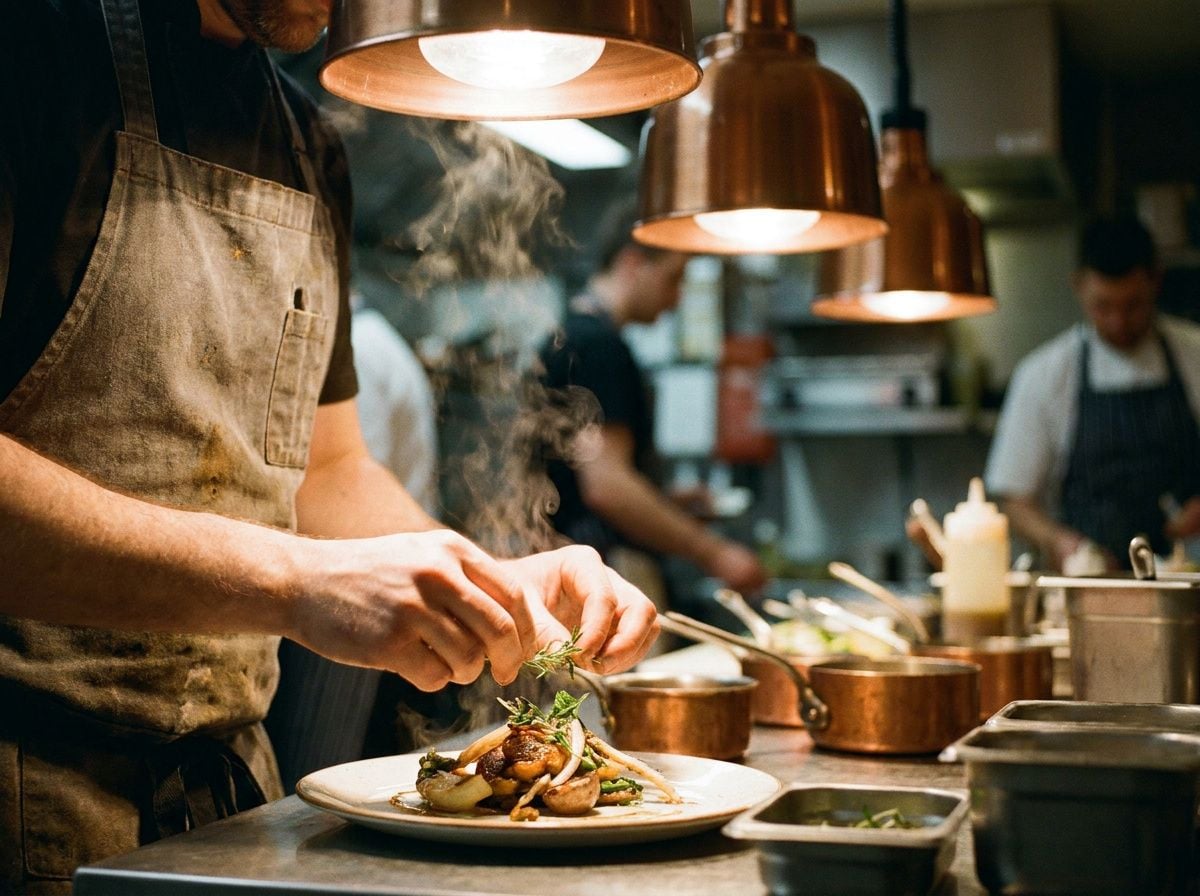
Why Instagram works for Restaurants
People eat with their eyes first. A photo of a well-plated dish does more than any description on a menu, and Instagram is built around exactly that kind of image.
Local searches happen there. When someone visits a new area or wants a place for dinner, they often check Instagram before they check review sites, scrolling through tagged photos and recent posts.
Reservations start in the comments. A lot of bookings come from people asking about opening hours, dietary options, or whether you have space on a certain night.
Set up your restaurant Instagram in five steps
These five steps cover your handle, your bio, the kinds of posts that tend to work, how to write captions, and which hashtags are worth using. Each section has examples you can adapt.
Pick your name
Keep the handle short and include your restaurant name or location.
Read the tip
People will search for you by name, so the handle should be recognizable. If your name is taken, adding the town or neighborhood usually works better than adding numbers or underscores.
Patterns that tend to work for restaurants:
- Name only: @theredtablenyc
- Name and town: @bistro.elm.austin
- Name and type: @lunatrattoria
Write a bio that sells
Say what kind of food you serve and where people can find you.
Read the tip
The bio is often the first thing someone reads when deciding whether to visit. It should answer the basics quickly so they do not have to scroll through posts to figure out what you do.
A restaurant bio usually needs:
- The cuisine or style of food
- The neighborhood or full address
- How to book or check hours
Post content your audience wants
Post the food, the space, and the people who make it happen.
Read the tip
Most restaurant accounts do well with a mix of finished dishes, behind-the-scenes kitchen moments, and the occasional look at the dining room. Variety keeps the feed interesting without straying from what you actually do.
Content types that work for restaurants:
| Content type | Purpose | Frequency |
|---|---|---|
| Plated dishes | Shows what guests order | A few times a week |
| Kitchen prep | Builds trust in quality | Once a week |
| Dining room shots | Shows the atmosphere | Once or twice a month |
| Staff at work | Adds personality | Once or twice a month |
| Seasonal specials | Creates urgency | When menu changes |
| Customer moments | Social proof | When you have permission |
Add captions to your posts
Keep captions short and let the photo do most of the talking.
Read the tip
A caption for a dish does not need to explain everything. A line about what is in it or when it is available is usually enough. People are looking at the image, not reading an essay.
Example captions for a restaurant:
- Handmade pappardelle with slow-braised lamb, back on the menu tonight.
- Friday lunch service, almost ready to open the doors.
- Our pastry chef finishing the lemon tart for this evening.
Don't forget the hashtags
Use about five hashtags, mostly specific to your area or cuisine.
Read the tip
At Skweezer we tend to recommend five hashtags per post, mostly niche ones. A wall of thirty tags looks forced and probably does not help much. Local tags and cuisine-specific ones reach the people who might actually visit.
Types of hashtags to consider:
- Neighborhood or city tag: brooklyneats
- Cuisine-specific tag: italianfoodlovers
- Broad food tag: foodphotography
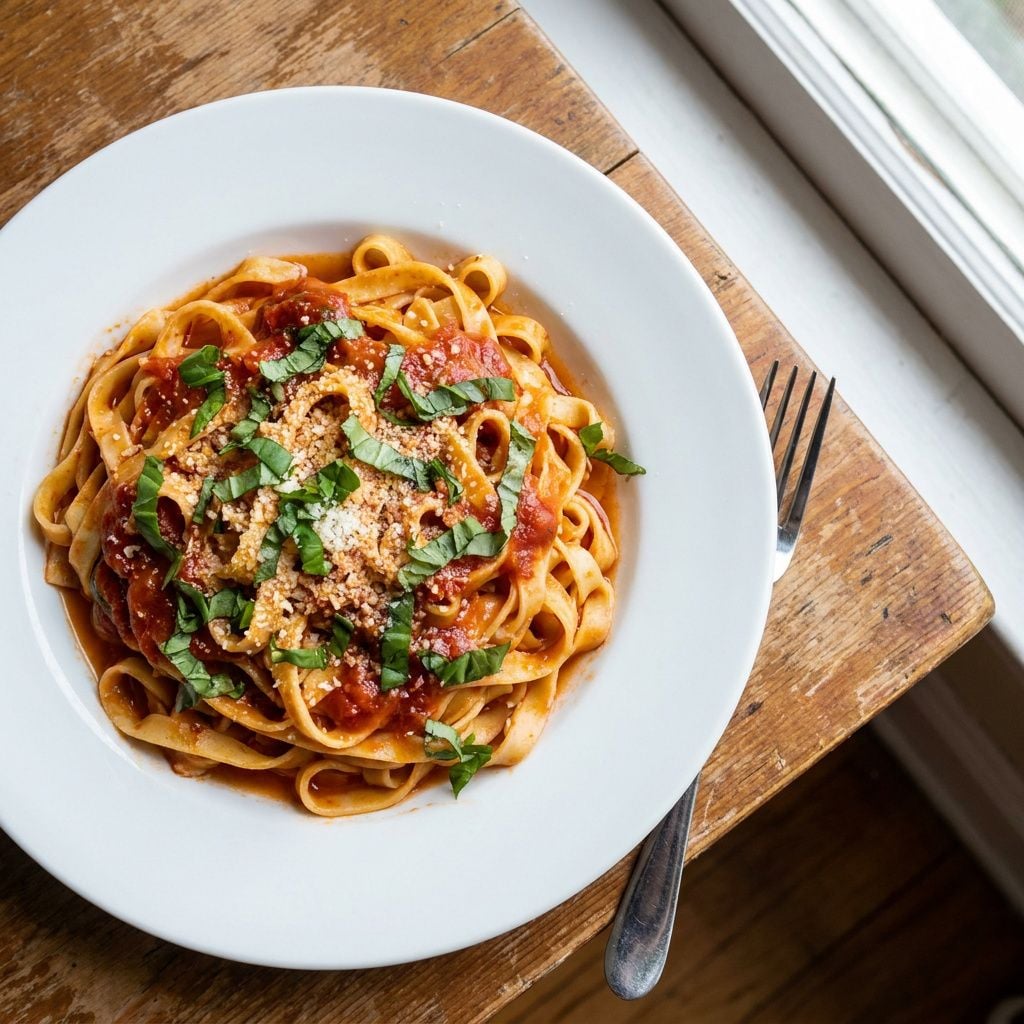 Kitchen prep
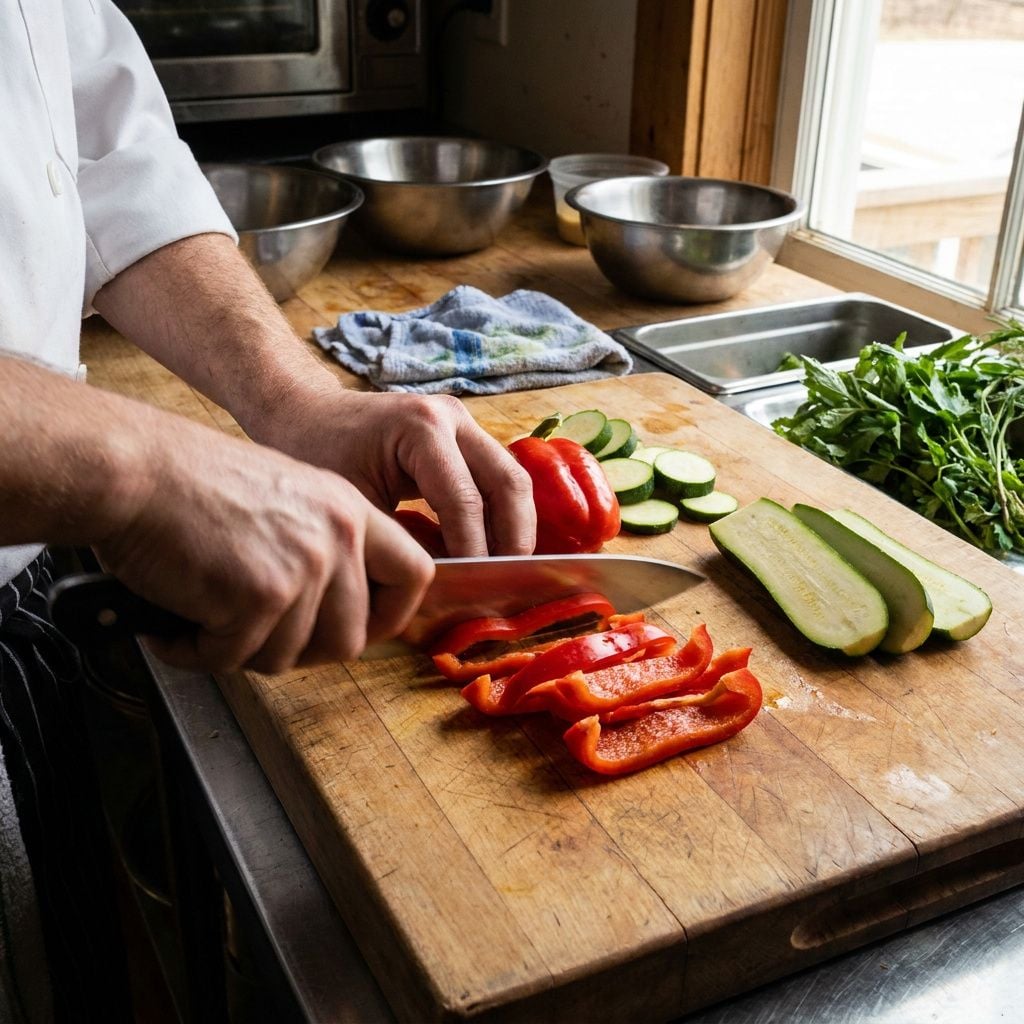 Dining room shots
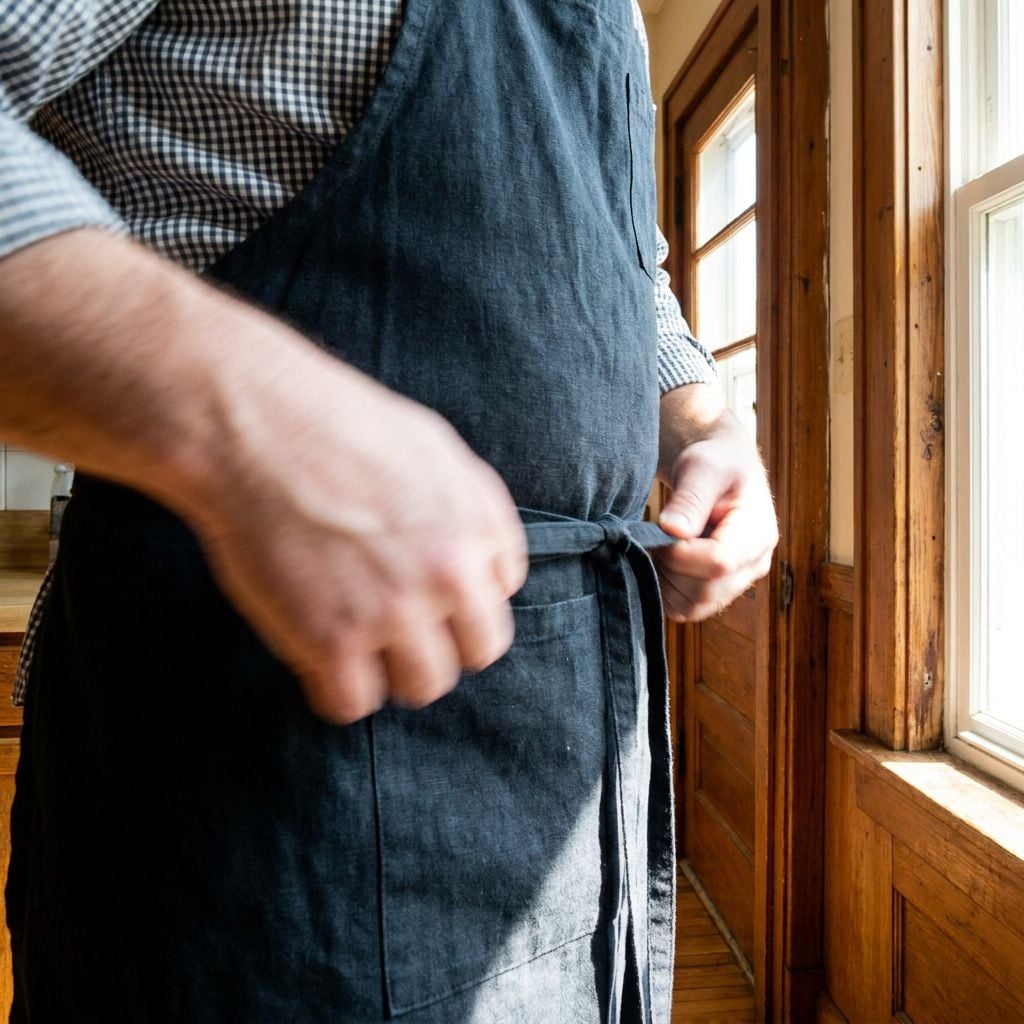
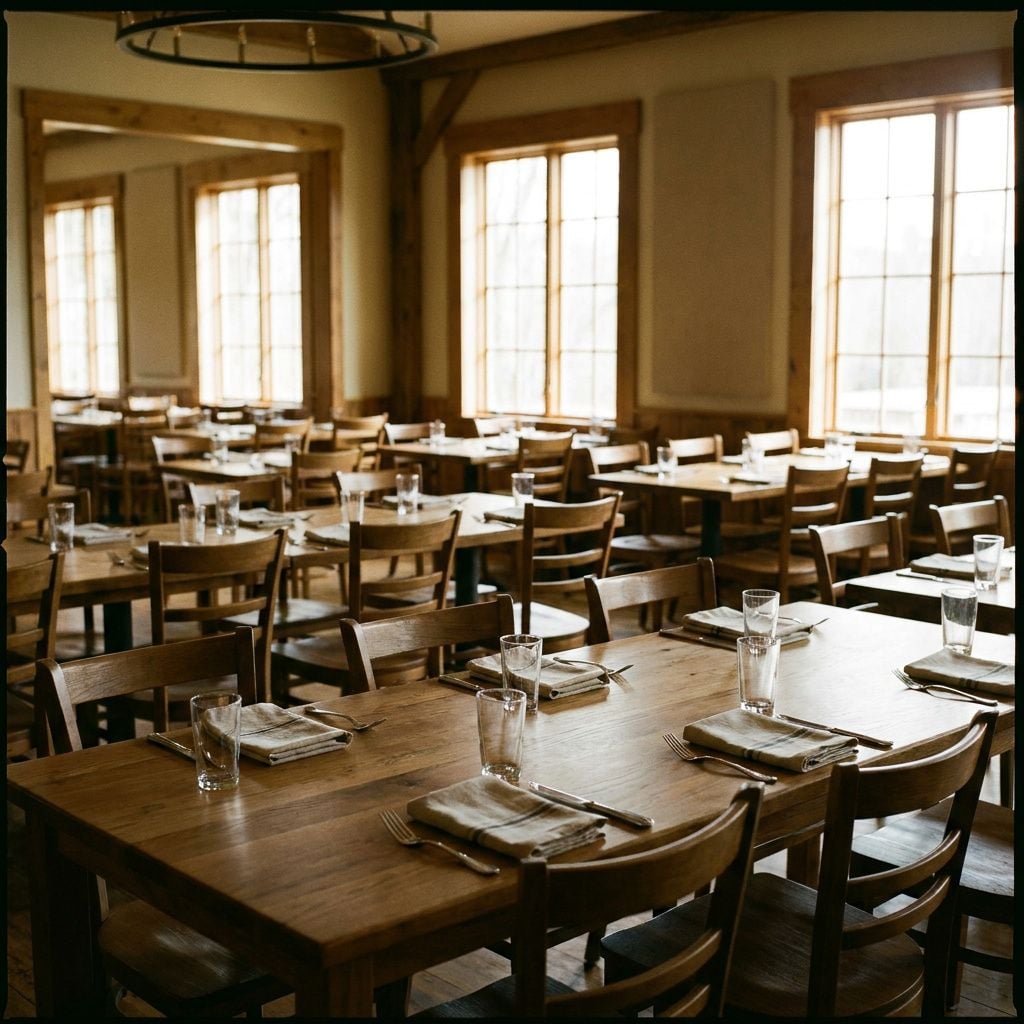 Staff at work
 Seasonal specials
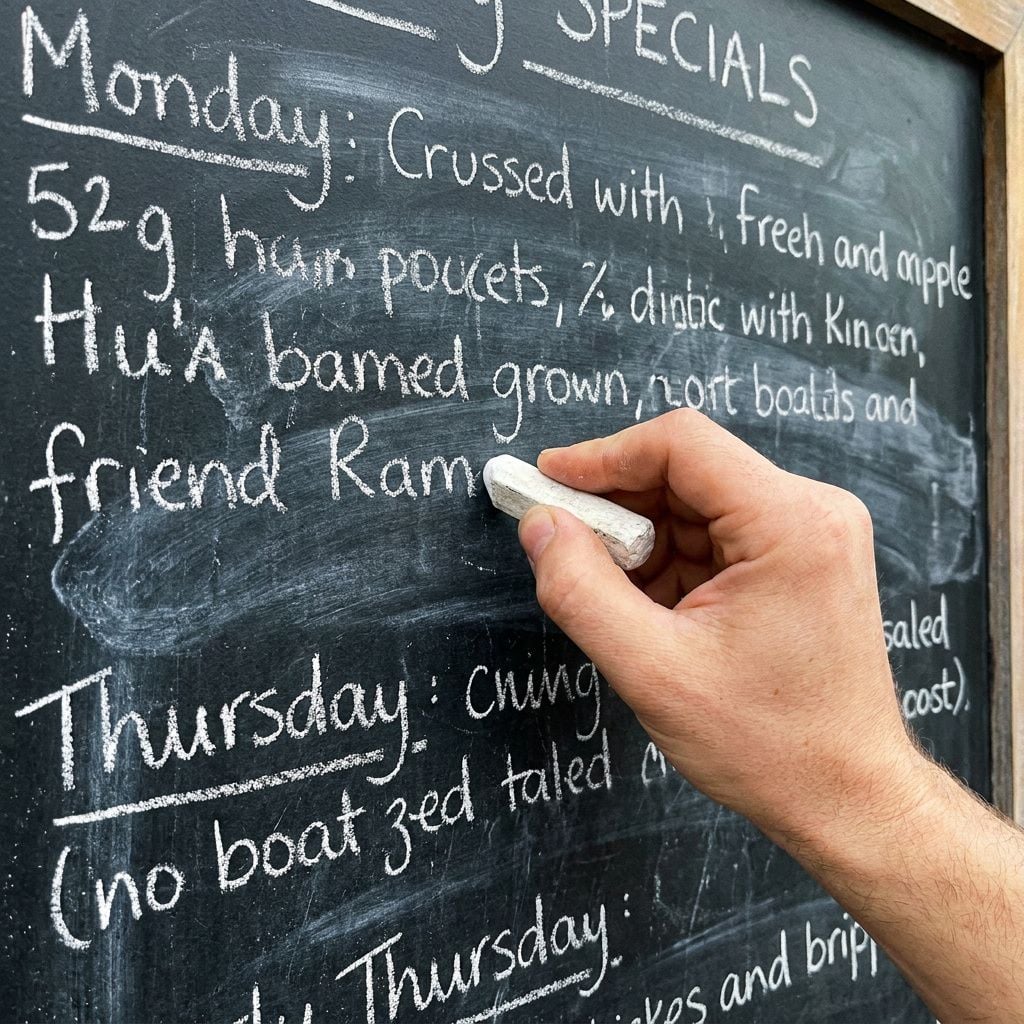 Customer moments
Once the basics are in place with your Instagram restaurant profile
Find a rhythm you can keep
Posting every day is not necessary and can be hard to maintain when service is busy. A few posts a week, when you have something worth showing, tends to work better than forcing content just to stay active. Consistency matters more than volume.
Reply to comments and messages quickly
A lot of comments on restaurant posts are actually questions about bookings, dietary needs, or opening hours. Replying within a few hours can turn that curiosity into a reservation. Ignoring comments for days makes the account feel unattended.
Use Stories and Highlights for the everyday
Stories are good for the quick, unpolished moments that do not need to stay on the feed forever. A clip of the kitchen during prep, the specials board, or a busy Friday night. Highlights let you save the useful ones, like your menu or location, so new visitors can find them.
Tag suppliers and local producers
If you source ingredients from local farms or bakeries, tagging them when you post about those dishes can help. They often share the post with their own followers, which brings your restaurant in front of people who care about where food comes from.
What costs restaurant pages followers
The accounts that lose people tend to post the same angle of the same dish repeatedly, or disappear for weeks and then flood the feed with ten posts at once. Blurry photos taken in bad lighting do not help either, even if the food is good.
Frequently asked questions
A few times a week is usually enough if the photos are good. Posting daily can work during busy seasons, but it is better to skip a day than post something blurry or dull.
The kitchen, the staff, the dining room filling up on a Friday. Even if the dishes stay the same, the moments around them change, and those are worth showing.
Probably, especially if it is a question. A quick reply can lead to a booking. Even a simple thank-you shows the account is active and someone is paying attention.
Explore more tips:
- 10 Esthetician Instagram Accounts to Follow in 2026
- 15 Advertising Agency Instagram Accounts to Follow in 2026
- 15 Barber Instagram Accounts to Follow in 2026
- 15 Car Detailing Instagram Accounts to Follow in 2026
- 15 Interior Design Instagram Accounts to Follow in 2026
- Instagram for Accessories Brands: A Complete Strategy
- Instagram for Architects: A Complete Strategy
- Instagram for Auto Body Shops: A Complete Strategy
- Instagram for Baby Product Brands: A Complete Strategy
- Instagram for Car Dealerships: A Complete Strategy
- Instagram for Fashion Brands: A Complete Strategy
- Instagram for Hair Salons: A Complete Strategy
- Instagram for Handmade Crafts Makers: A Complete Strategy
- Instagram for Lash Technicians: A Complete Strategy