
Instagram for Accessories Brands: A Complete Strategy
Your grid probably looks like the same product shot repeated with minor angle changes, and potential customers scroll past because nothing catches their eye. The five steps below walk through what to change and in what order.
An account that already has a visible following tends to get more eyes on each new post, which makes every other fix work harder. For some brands Buy Instagram followers is a reasonable way to build that base while the organic work catches up.
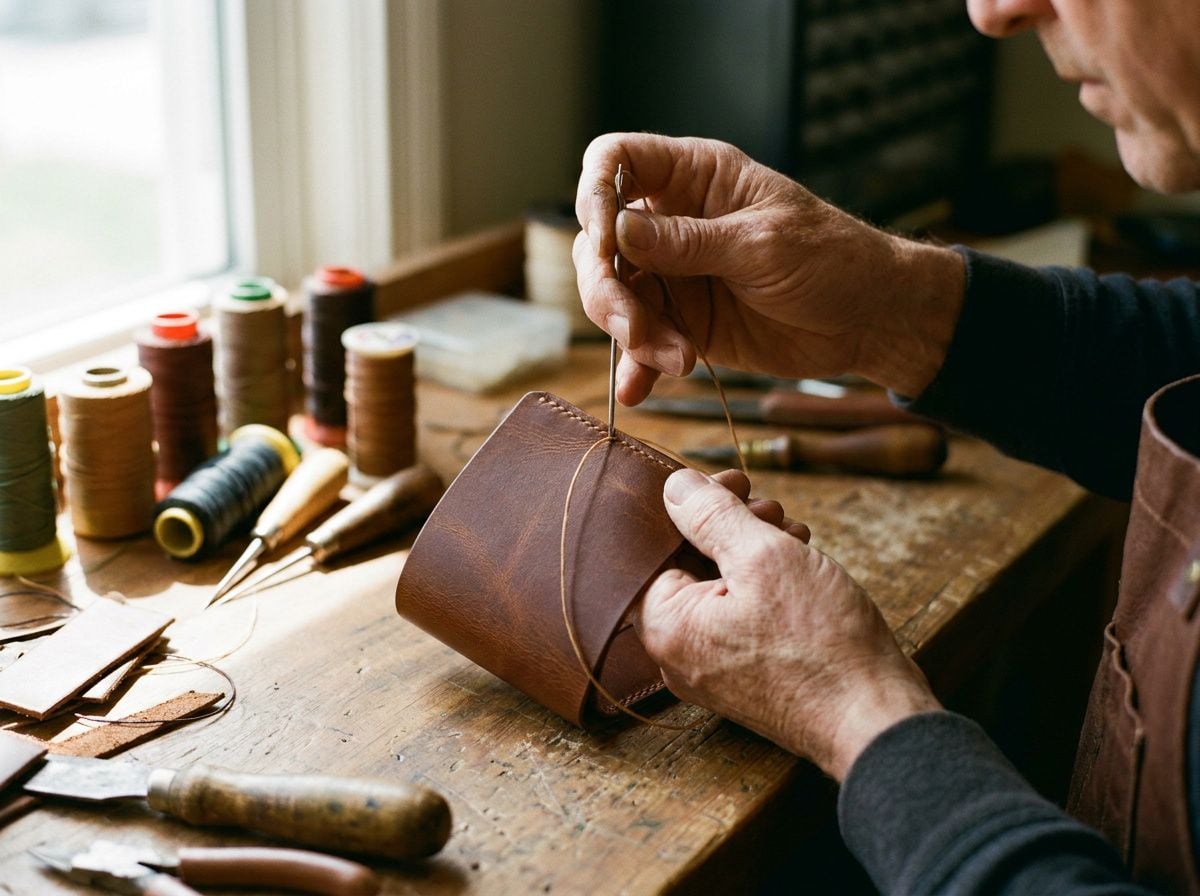
Why Instagram works for Accessories
People browse before they buy. A customer scrolling through earrings or bags on Instagram is already in a shopping mood, and a well-lit photo can move them from curious to ready.
Details sell the piece. Accessories are small, so close-ups of clasps, stitching or stones show the quality that a product listing thumbnail tends to hide.
Tagging does the outreach. When someone wears your piece and tags you, their followers see it in context, which tends to bring more of the same kind of customer.
Set up your accessories Instagram in five steps
These five steps cover the handle, the bio, what to post, how to write captions and which hashtags to use. Each one comes with examples you can adapt for your own brand.
Pick your name
Keep the handle short and say what you sell or make.
Read the tip
A handle that includes a word like 'jewelry', 'bags' or 'accessories' helps people know what they are looking at before they tap. If your brand name is taken, adding your city or a short word usually works.
Patterns that tend to work:
- Brand name only: @lunarbeads
- Brand plus product: @mikibagsco
- Name plus city: @ellaearrings.pdx
Write a bio that sells
Say what you make, where you ship, and how to order.
Read the tip
Most people glance at a bio for a second or two. If they can see the product type, the location or shipping range, and a way to buy, they have what they need to decide whether to follow or tap the link.
A bio for an accessories brand should include:
- The type of pieces you make or sell
- Where you ship or your city if you sell in person
- A clear way to shop or inquire
Post content your audience wants
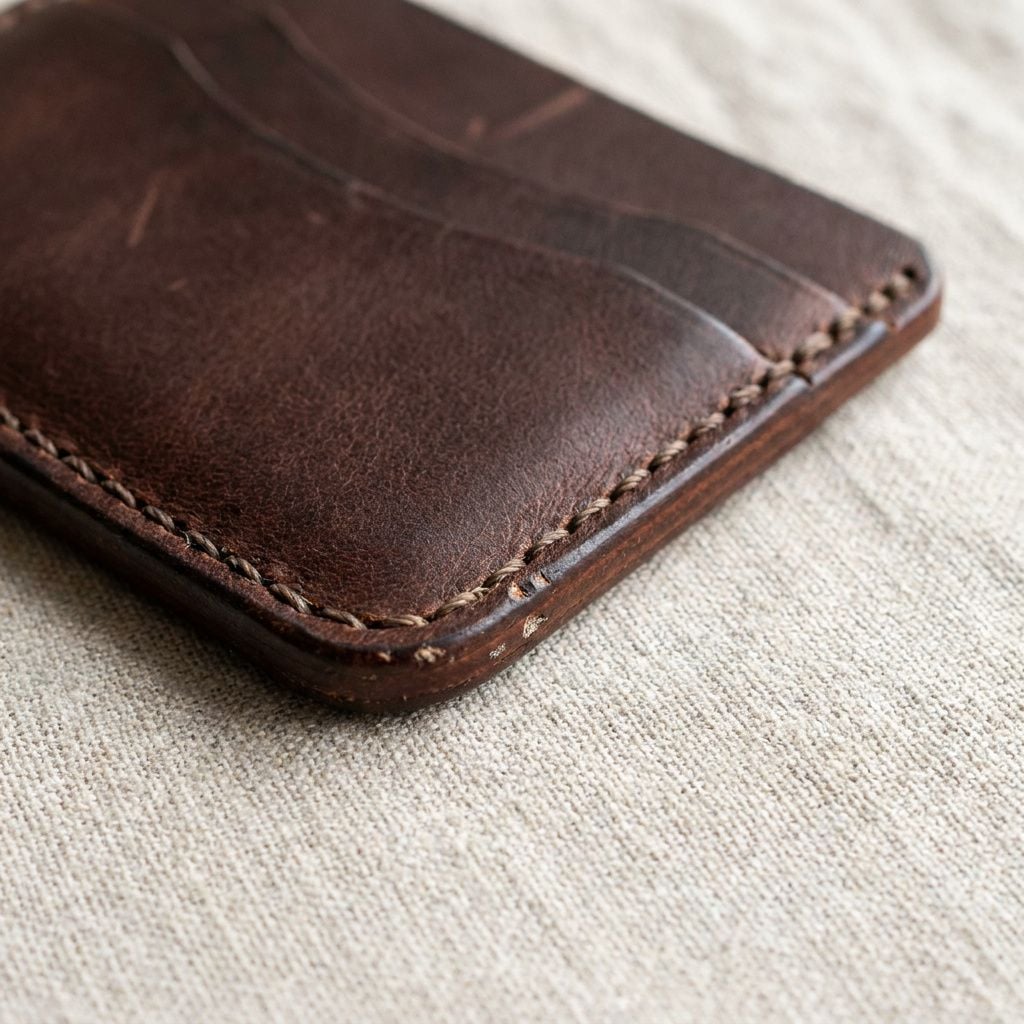
Show the pieces, then show them worn or styled.
Read the tip
Product shots on a plain background work for the grid, but people also want to see how the piece looks on a person or with an outfit. Mixing both keeps the feed useful and interesting.
Post types that tend to do well:
| Content type | Purpose | Frequency |
|---|---|---|
| Product flat lay | Shows detail clearly | Once or twice a week |
| Styled on a person | Helps buyers picture it | Once a week |
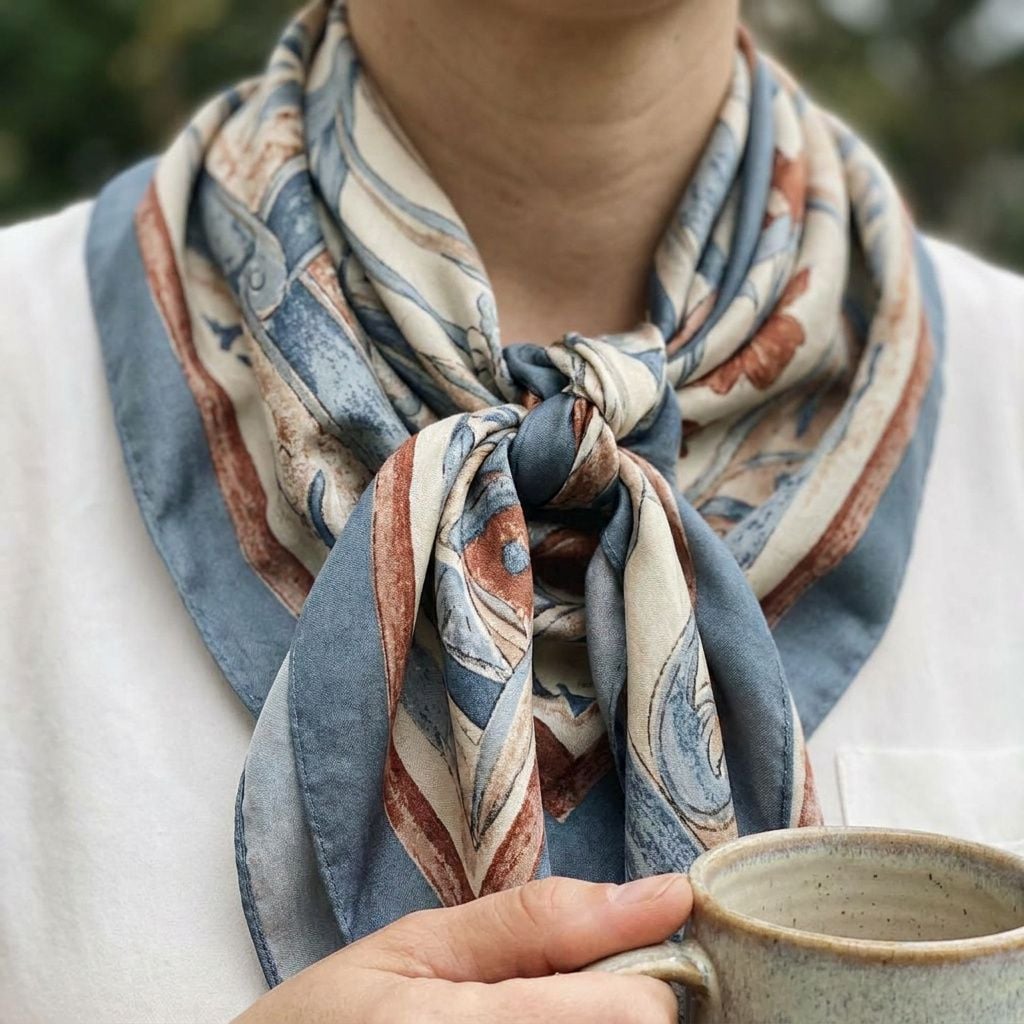
| Packaging or unboxing | Builds trust in quality | Once a month |
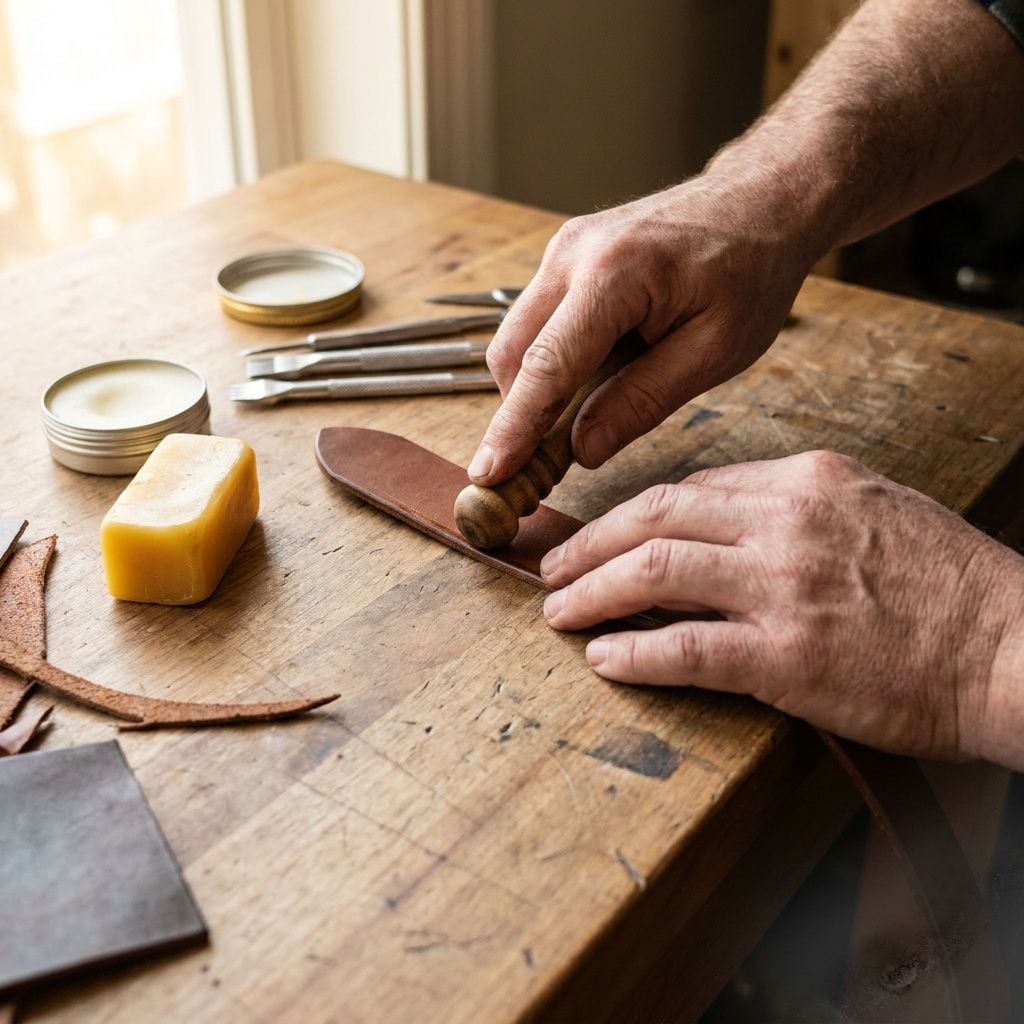
| Behind the scenes | Shows the maker's hand | Once or twice a month |
| Customer repost | Social proof from buyers | When available |
| New drop or restock | Drives quick action | As needed |
Add captions to your posts
Keep captions short and say something useful about the piece.
Read the tip
A caption that names the material, the size or how to wear it gives people a reason to save the post or ask a question. Long stories can work sometimes, but a few clear lines tend to hold attention better.
Example captions:
- Brass cuff, adjustable, fits most wrists comfortably
- This one pairs well with linen and denim alike
- Back in stock after three months, link in bio
Don't forget the hashtags
Use about five hashtags, mostly niche ones for your product type.
Read the tip
At Skweezer we tend to recommend five hashtags per post, and most of them should be specific to what you make. A wall of thirty tags looks forced and rarely helps the post reach more of the right people.
Types of tags to include:
- Product-specific tag: handmadeearrings
- Material or style tag: minimalistjewelry
- Broader lifestyle tag: slowfashion
 Styled on a person
 Packaging or unboxing
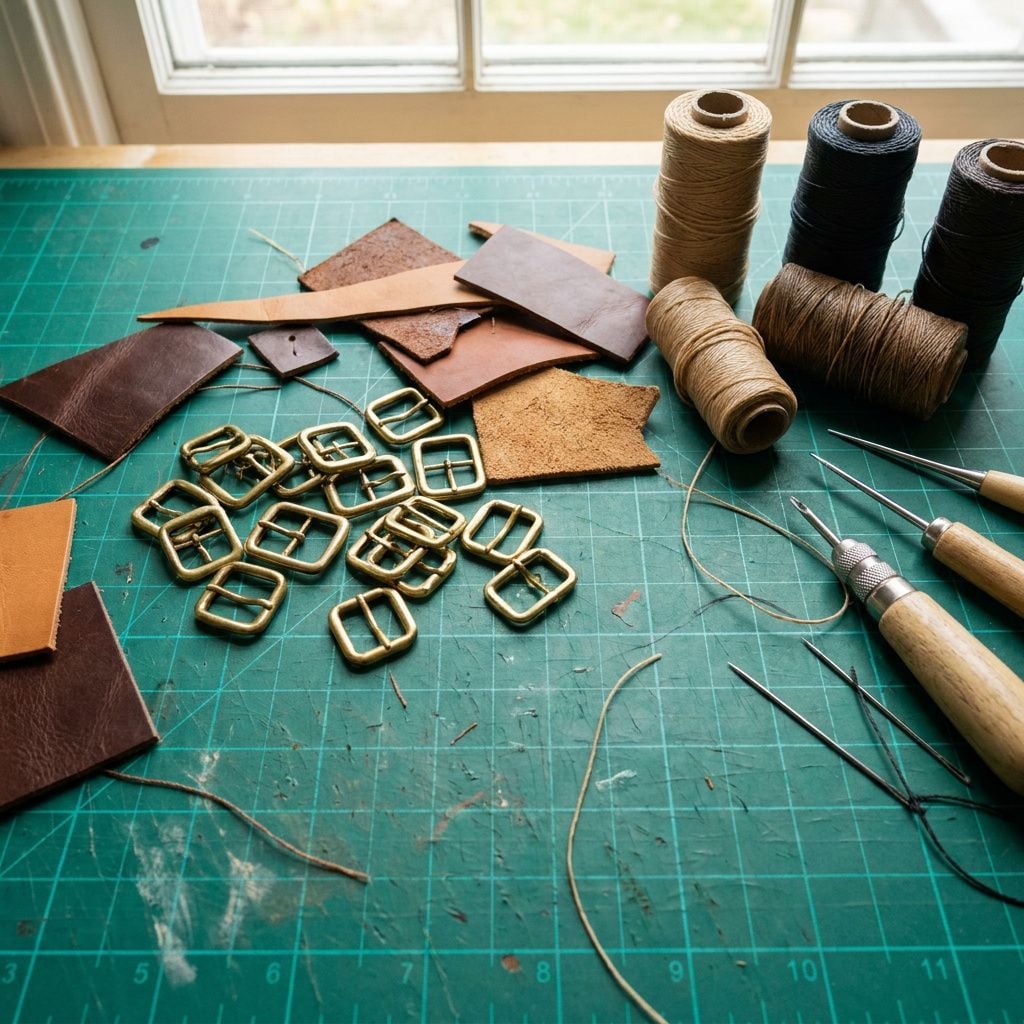
 Behind the scenes
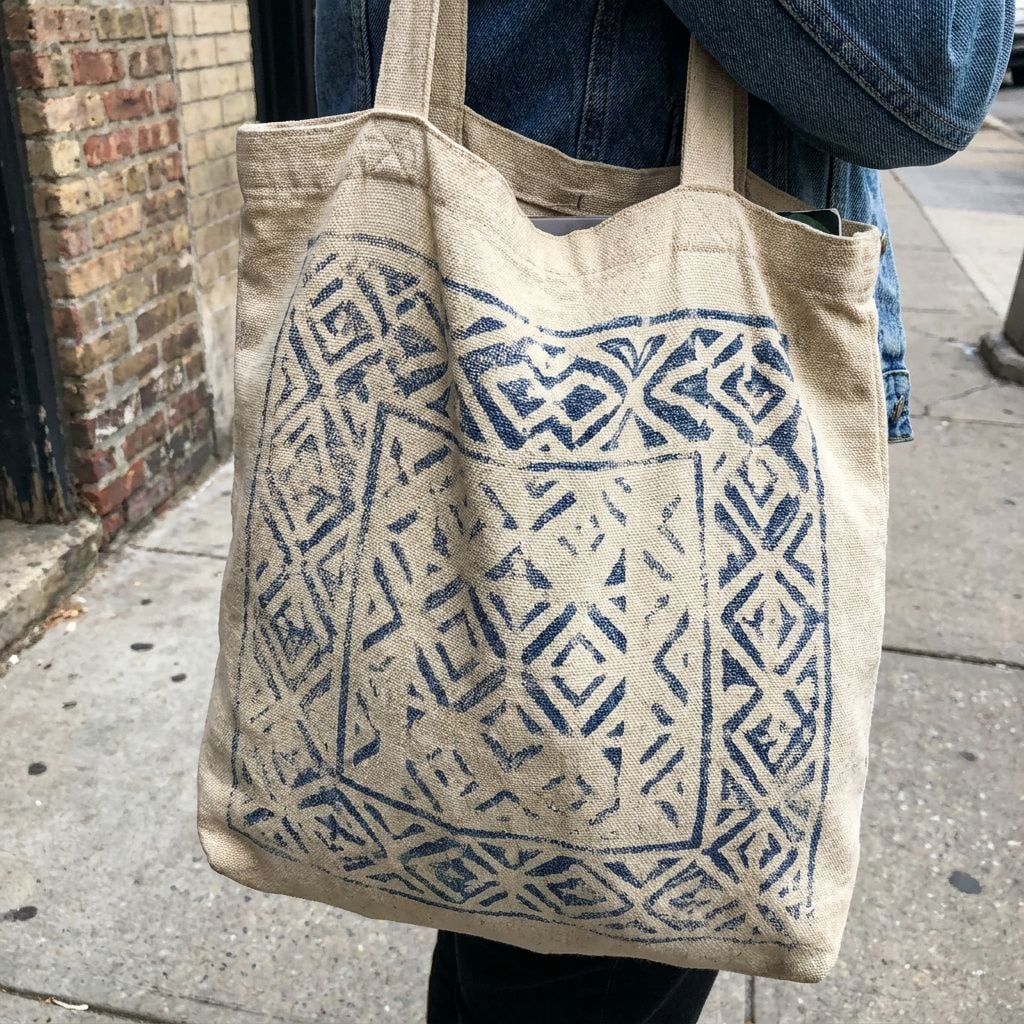
 Customer repost
 New drop or restock
Once the basics are in place with your Instagram accessories profile
Find a rhythm you can keep
Posting every day for a week and then disappearing for a month tends to confuse followers. It is better to post two or three times a week steadily than to burn out chasing daily content. Batching photos on one day can help.
Reply while the conversation is warm
When someone comments asking about size or material, they are often ready to buy. Replying within a few hours keeps that interest alive. A lot of the time, a quick answer in the comments leads straight to a DM inquiry.
Use Stories and Highlights for quick updates
Stories disappear after a day, so they work well for restocks, packing orders or flash sales. Highlights let you pin the useful ones, like a 'How to order' guide or a 'Customer photos' reel that new visitors can browse.
Tag the people who wear your pieces
When a customer posts a photo wearing your earrings or carrying your bag, reposting it to your Stories and tagging them tends to encourage more people to do the same. It also shows the piece in real life rather than just on a backdrop.
What costs accessories pages followers
A lot of accessories accounts post the same flat lay over and over, or they disappear for weeks after a busy market season. Followers drift away when the feed feels repetitive or when questions sit unanswered in the comments for days.
Frequently asked questions
List pieces in your feed with clear photos and prices in the caption or a pinned comment. Link to your shop in the bio, and reply to DMs quickly when someone asks about ordering.
Search hashtags like 'handmadejewelry' or 'minimalistearrings' and look at accounts with steady engagement. Notice how they photograph pieces, write captions and use Stories for launches.
Posting and selling through DMs or a link in bio costs nothing. Instagram Shop has no listing fee, though payment processors take a small percentage when someone checks out.
Explore more tips:
- 10 Esthetician Instagram Accounts to Follow in 2026
- 15 Advertising Agency Instagram Accounts to Follow in 2026
- 15 Barber Instagram Accounts to Follow in 2026
- 15 Car Detailing Instagram Accounts to Follow in 2026
- 15 Interior Design Instagram Accounts to Follow in 2026
- How To Grow Your Restaurant Page on Instagram
- Instagram for Architects: A Complete Strategy
- Instagram for Auto Body Shops: A Complete Strategy
- Instagram for Baby Product Brands: A Complete Strategy
- Instagram for Car Dealerships: A Complete Strategy
- Instagram for Fashion Brands: A Complete Strategy
- Instagram for Hair Salons: A Complete Strategy
- Instagram for Handmade Crafts Makers: A Complete Strategy
- Instagram for Lash Technicians: A Complete Strategy