
Instagram for Photography: A Complete Strategy
A grid full of strong images does not mean much if the handle and bio leave people guessing about what you actually shoot or where you are based. The five steps below walk through each piece in order.
A profile that already has a visible following tends to hold attention longer when someone lands on it, and the posts reach more feeds from the start. If you want to build that base while you work on the rest, Skweezer's Instagram followers service is a fairly straightforward option.
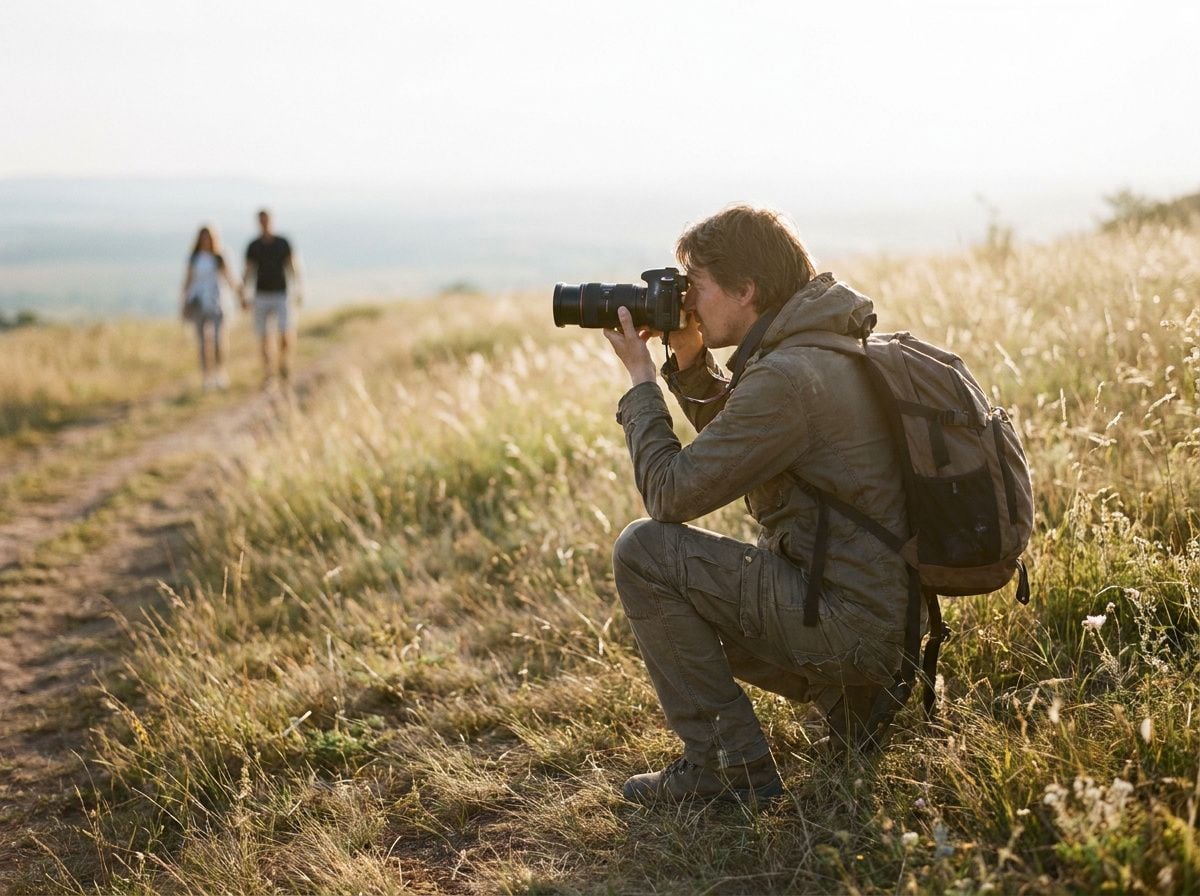
Why Instagram works for Photographers
People book what they can see. A photographer's feed is essentially a portfolio that updates itself, and most clients scroll through it before they ever send a message.
Couples and planners search there first. When someone gets engaged or plans an event, they often type the city plus 'photographer' straight into Instagram rather than Google.
The work sells itself visually. A strong image stops someone mid-scroll, and if the location or style fits what they want, they tend to save the post or tap through to the bio.
Set up your photographer Instagram in five steps
These five steps cover the handle, the bio, what to post, how to write captions and which hashtags to use. Each one has examples you can adjust to your own style and location.
Pick your name
The handle should say you shoot photos and where you do it.
Read the tip
Most people searching for a photographer add a city or region, so putting that in your handle helps you show up. Keep it short enough that someone could type it from memory or say it aloud at a wedding fair.
Patterns that tend to work:
- Name + photo: @sarahlinphoto
- City + specialty: @austinweddingshots
- Studio name: @goldenhourstudio
Write a bio that sells
The bio should answer who you are, what you shoot and how to book.
Read the tip
Someone landing on your profile usually wants to know three things quickly: the type of photography you do, where you work, and how to get in touch. If any of those are missing, they often leave without reaching out.
What to include:
- Your specialty or style in a few words
- The city or region you cover
- A way to book or inquire
Post content your audience wants
Post the images that show what a client would actually receive.
Read the tip
Your feed is doing the job of a portfolio, so the strongest images from recent shoots tend to matter more than posting every day. Mixing in a few behind-the-scenes moments can help people picture what working with you feels like.
Content types that work for photographers:
| Content type | Purpose | Frequency |
|---|---|---|
| Finished client gallery image | Shows your editing style | Two to three weekly |
| Behind-the-scenes shot | Builds trust and personality | Once a week |
| Before-and-after edit | Demonstrates your process | Once or twice monthly |
| Location or venue feature | Attracts local searches | Once or twice monthly |
| Reel of a shoot day | Reaches new viewers | Once a week |
| Client testimonial slide | Adds social proof | Once a month |
Add captions to your posts
Keep captions short and let the photo do most of the talking.
Read the tip
A caption that says where the shoot was or what made it memorable tends to be enough. Long paragraphs can work for personal stories, but most people scroll past them when they are looking for a photographer.
Example captions:
- Golden hour at the old mill, right before the rain came in.
- First look moments are the ones I live for.
- Shot this on a Tuesday morning when the light was just right.
Don't forget the hashtags
Five hashtags per post is usually enough, mostly niche ones.
Read the tip
A wall of thirty tags can look a bit desperate, and broad ones like 'photography' rarely help you show up. Tags that name your city, the venue or the specific type of shoot tend to reach people who are actually looking.
Types of tags to use:
- City or region tag: austinweddingphotographer
- Venue or location tag: hillcountryweddings
- Style or specialty tag: moodyportraits
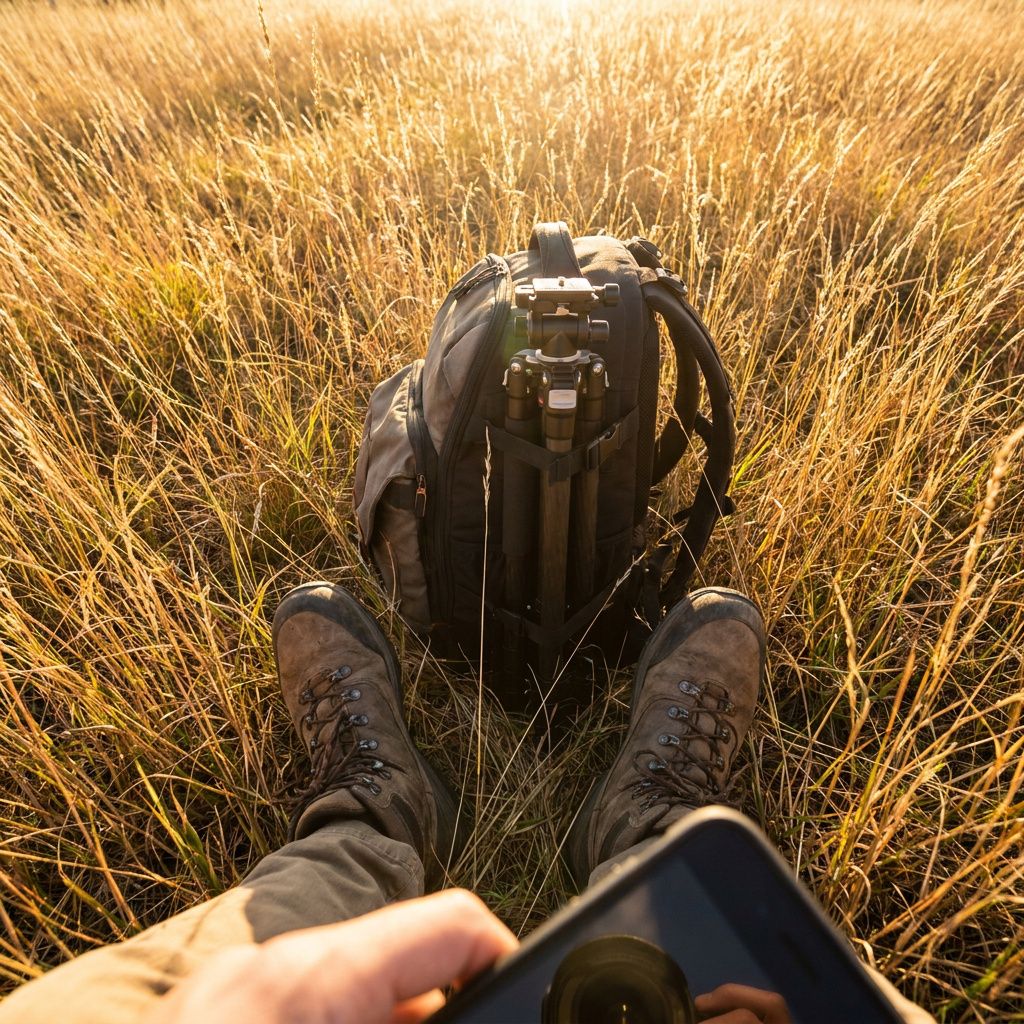
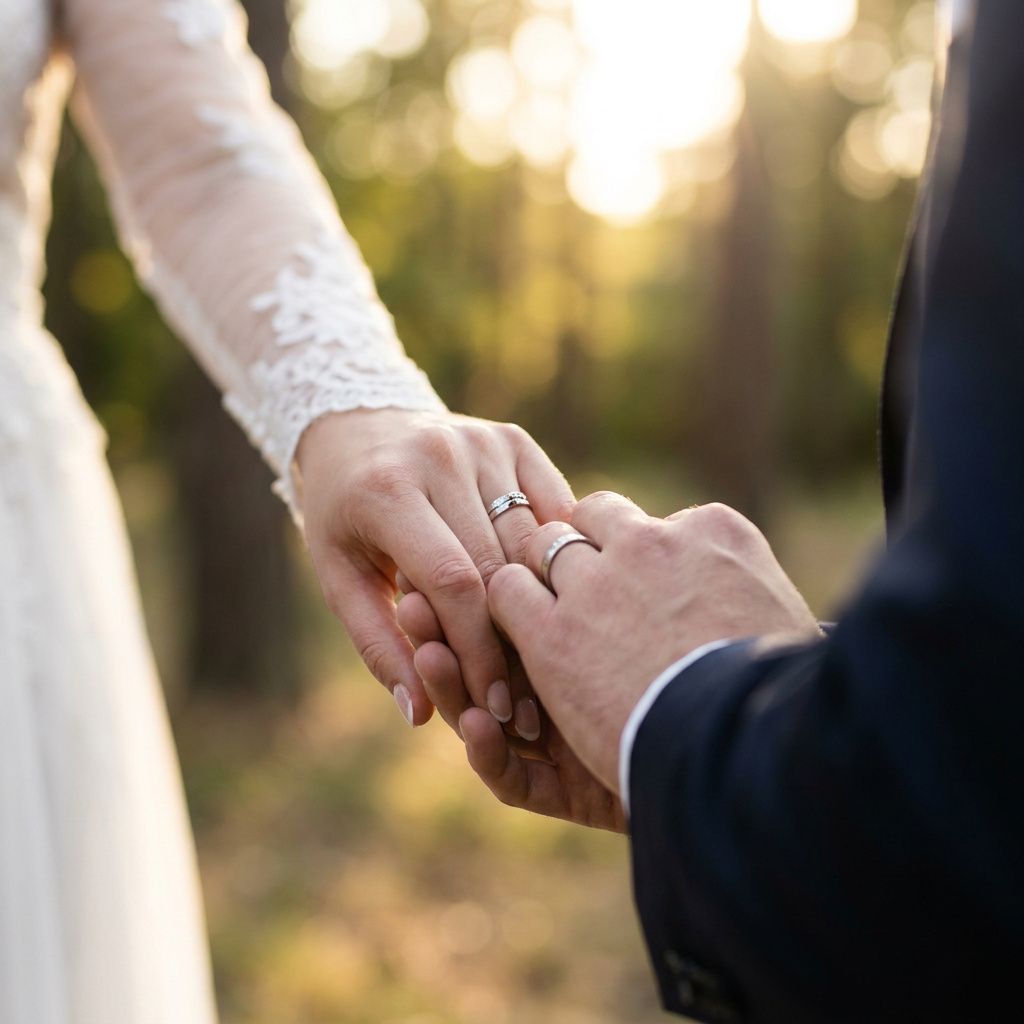 Behind-the-scenes shot
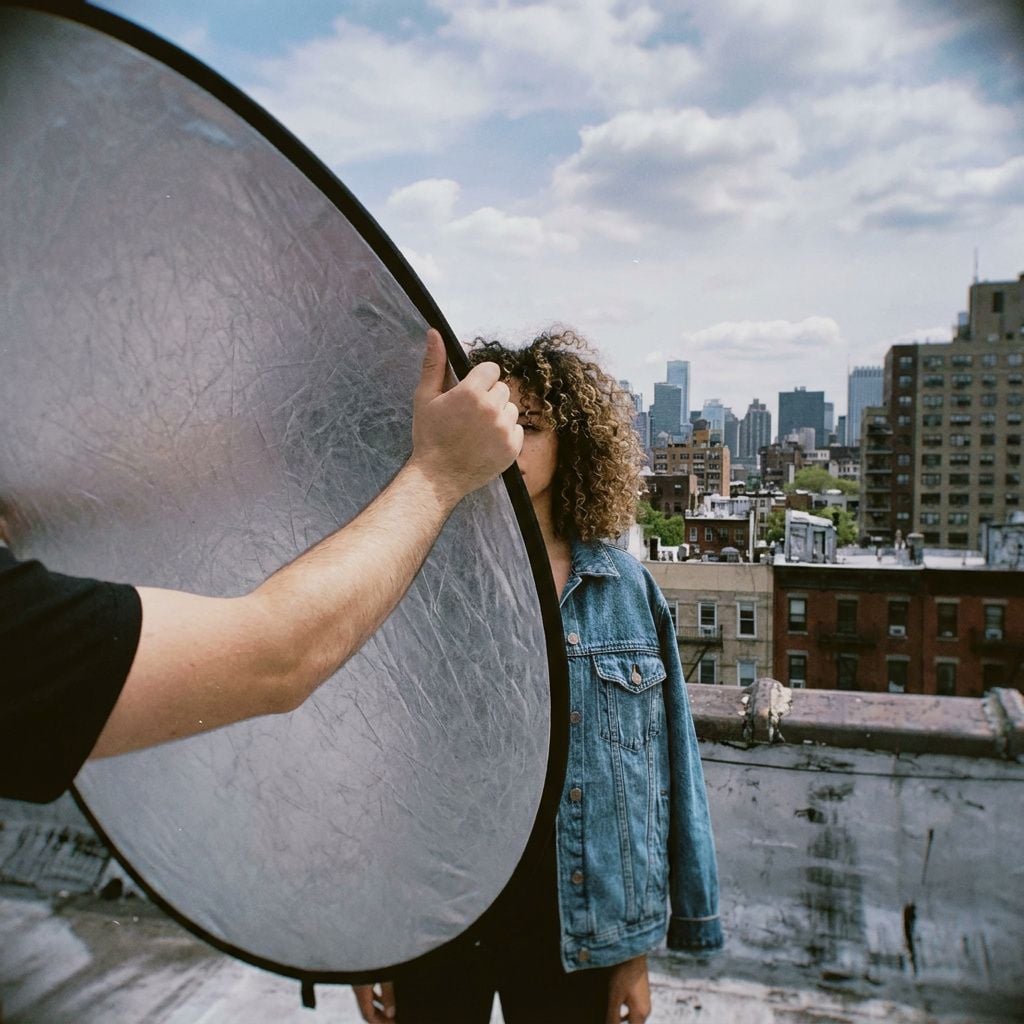 Before-and-after edit
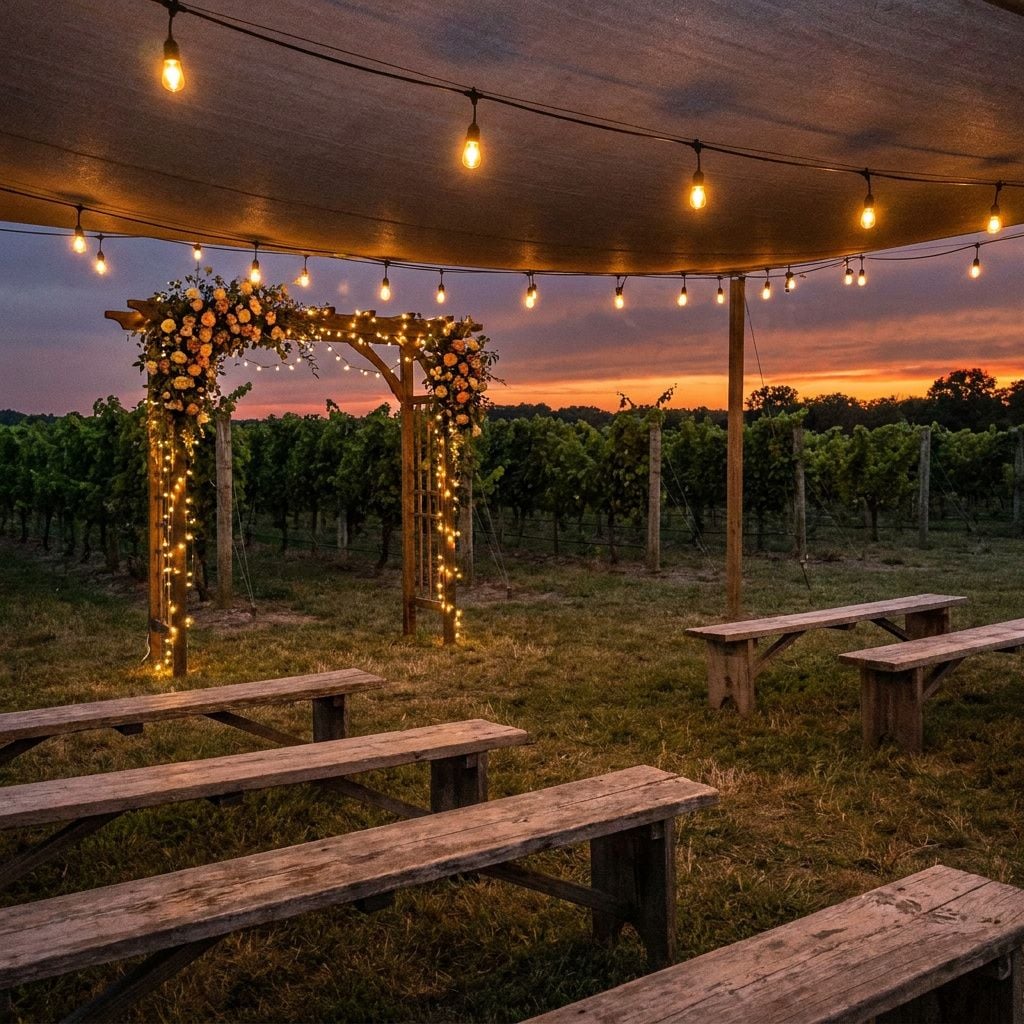
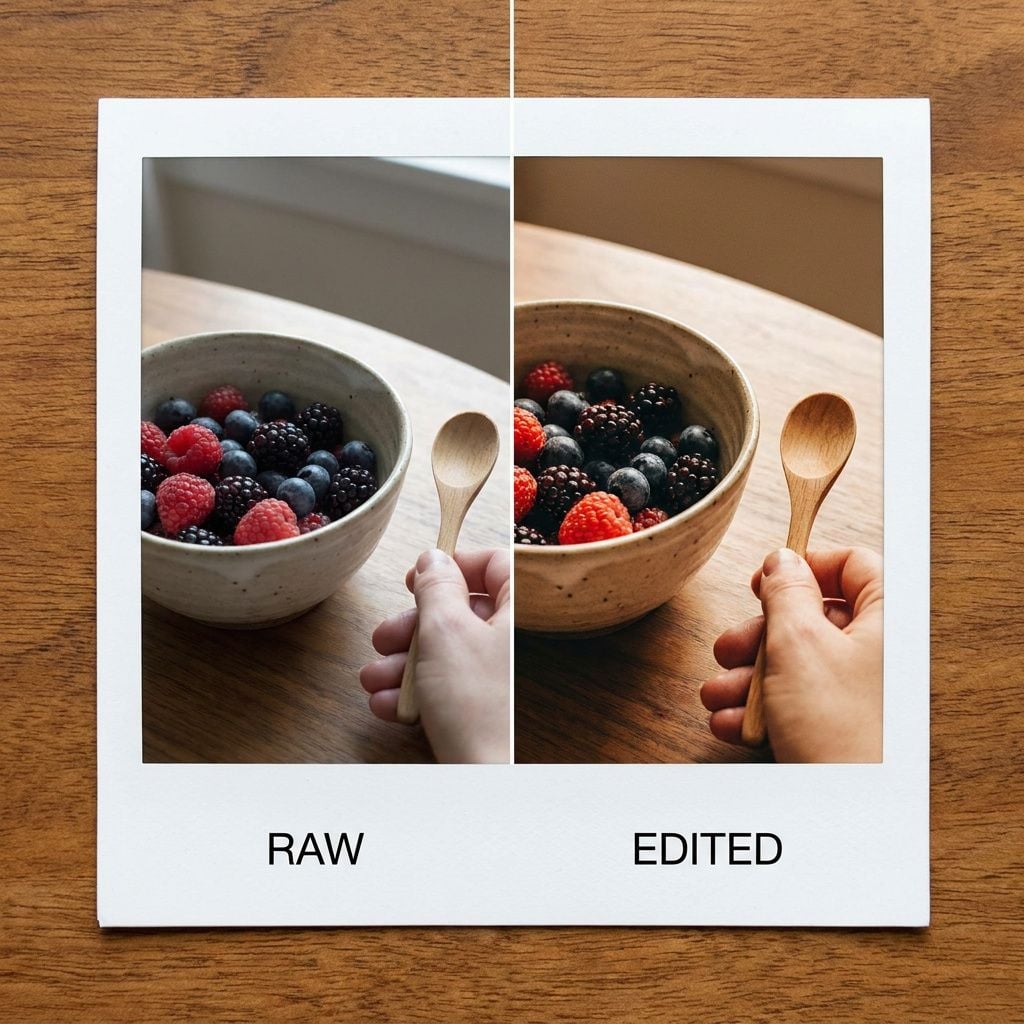 Location or venue feature
 Reel of a shoot day
 Client testimonial slide
Once the basics are in place with your Instagram photographer profile
Find a rhythm that fits your shoots
Posting every day is not really necessary for photographers. Most clients care about the quality of the images, not how often you post. If you have a busy season, batching a few posts ahead of time can keep the feed active without pulling you away from actual work.
Reply to comments and messages quickly
A lot of inquiries come through comments or direct messages, and people planning a wedding or event are often messaging several photographers at once. Replying fairly quickly, even just to say you will send details soon, can help keep the conversation from moving to someone else.
Use Reels and Stories to show the day
Reels tend to reach people who do not follow you yet, so a short clip from a shoot can bring in new eyes. Stories work well for the in-between moments, the drive to a venue, the gear setup, the details that do not need to stay on your main feed forever.
Tag venues and vendors you work with
When you tag a venue or a florist, there is a good chance they will share your image to their own audience. That puts your work in front of people who are already planning something and looking for recommendations. It costs nothing and tends to bring more inquiries than hashtags alone.
What costs photographer pages followers
The most common issue is posting heavily edited images that look different from what a client actually receives. People also tend to unfollow when every post feels like a sales pitch or when the feed goes quiet for months and then floods with ten images at once.
Frequently asked questions
It still tends to be where couples and event planners look first. A strong feed acts as a portfolio that people can browse before reaching out, and inquiries for weddings and portraits often start there.
Instagram works well because it is built around images. Pinterest can bring traffic over time, and a website helps with search, but for direct inquiries and local bookings, Instagram is usually where the conversations start.
They usually search the city plus a keyword like 'wedding photographer' or tap through tags on venue posts. Having your location in the handle and bio helps you show up in those searches.
Explore more tips:
- 10 Baddie Instagram Accounts to Follow in 2026
- 14 Pet Influencer Instagram Accounts to Follow in 2026
- 15 Hair Stylist Instagram Accounts to Follow in 2026
- 15 Makeup Artist Instagram Accounts to Follow in 2026
- 15 Nail Artist Instagram Accounts to Follow in 2026
- How to Grow Your Adult Content Page on Instagram: Smart Strategies for Creators
- Instagram for Actors: A Complete Strategy
- Instagram for Artists: A Complete Strategy
- Instagram for Athletes: A Complete Strategy
- Instagram for Authors: A Complete Strategy
- Instagram for Aviation: A Complete Strategy