
Instagram for Athletes: A Complete Strategy
A grid full of wins but nothing between them tends to look like a trophy case, not an athlete someone wants to work with. The five steps below walk through what to change and in what order.
A profile that already has a following probably gets more eyes on each post you put up, which matters when sponsors or coaches are browsing. Buying Instagram followers from a reliable source is one way to build that base if you are starting from a small number.
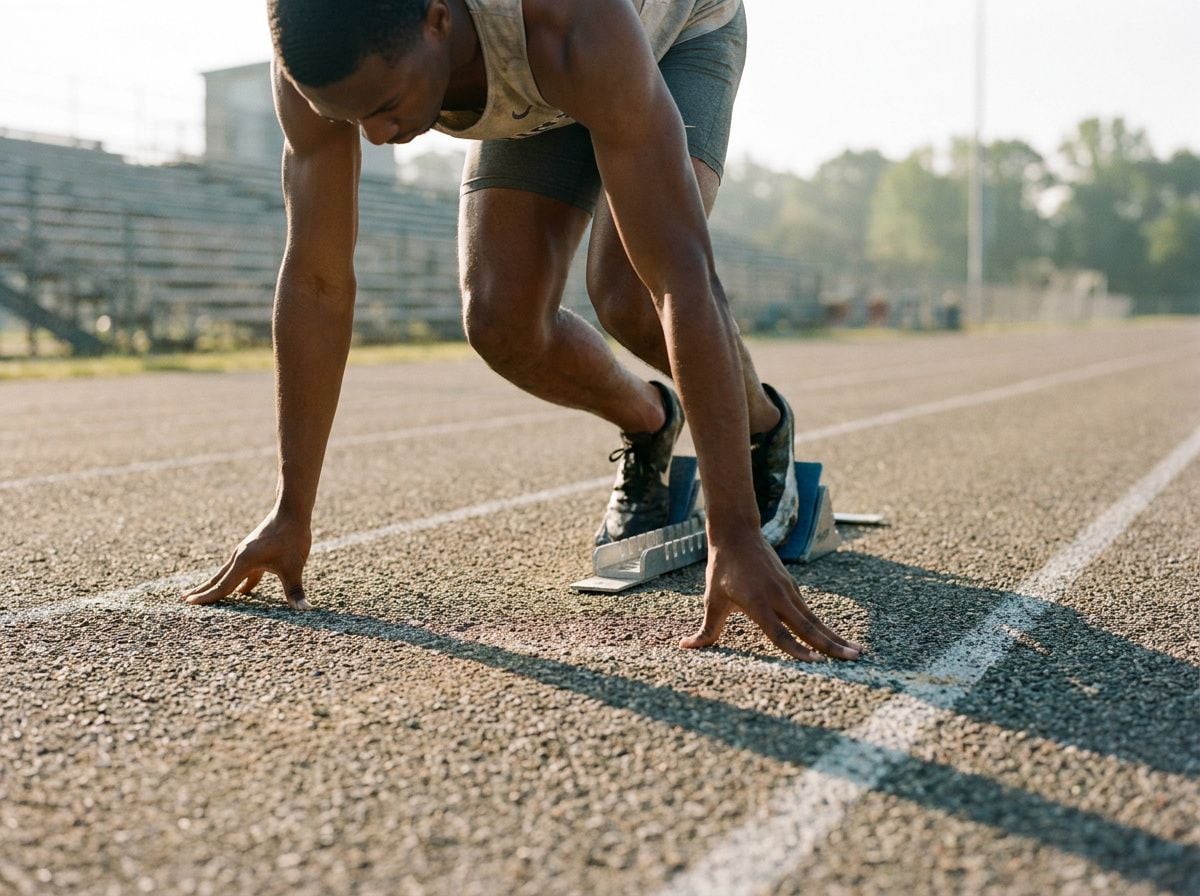
Why Instagram works for Athletes
People watch training clips. A lot of followers find athletes through short videos of drills, lifts, or match highlights that get shared around sport-specific pages and fan accounts.
Sponsors browse profiles first. Brands looking for athletes to work with tend to check the grid before reaching out, so what you post becomes a kind of portfolio for deals.
Local clubs and coaches look there too. If you compete regionally, teammates, opponents, and event organizers often follow each other, which can lead to invitations or team opportunities.
Set up your athlete Instagram in five steps
These steps cover the handle, the bio, what to post, the captions, and the hashtags. Each one includes ideas you can use straight away.
Pick your name
The handle should include your name and your sport or position.
Read the tip
A clear handle helps people find you when they search after a match or event. If your full name is taken, adding your sport or a short number tends to work better than random underscores.
Patterns that work for athletes:
- Name plus sport: @maria.runs.track
- Name plus position: @jakeqb12
- Initials plus discipline: @lm.throws
Write a bio that sells
The bio should say what you compete in, where, and how to contact you.
Read the tip
Scouts and sponsors skim bios quickly, so the sport, your level, and a way to reach you should all be visible without scrolling. A city or club name helps people place you geographically.
What to include:
- Your sport and event or position
- Club, team, or city
- Contact method or link for inquiries
Post content your audience wants
Post moments that show how you train, compete, and recover.
Read the tip
A mix of training footage, competition clips, and behind-the-scenes shots gives followers a fuller picture. People like seeing the work, not just the wins, so the ordinary sessions matter too.
Content types to rotate:
| Content type | Purpose | Frequency |
|---|---|---|
| Training drill clip | Shows daily work | Two or three weekly |
| Competition highlight | Proves match-day ability | After each event |
| Recovery or rest day | Humanizes the routine | Once a week |
| Personal best moment | Marks progress | When it happens |
| Team or training partner | Builds community feel | Once or twice monthly |
| Equipment or gear shot | Appeals to sponsors | Occasionally |
Add captions to your posts
Captions should add context the video or photo cannot show.
Read the tip
A short line about what the session was, what you were working on, or how the competition went gives followers something to respond to. Questions at the end can start conversations.
Example captions:
- First time hitting that split since the injury last spring.
- Morning track session before the heat set in.
- Lost the semi but learned where the gaps are.
Don't forget the hashtags
Five hashtags per post is usually enough, mostly niche ones.
Read the tip
At Skweezer we tend to recommend keeping it to five tags, mostly specific to your sport or event. A wall of thirty hashtags looks forced and probably does not help reach anyway.
Types of tags to use:
- Event-specific tag: 400mhurdles
- Sport community tag: trackandfield
- Broad athletic tag: athletelife
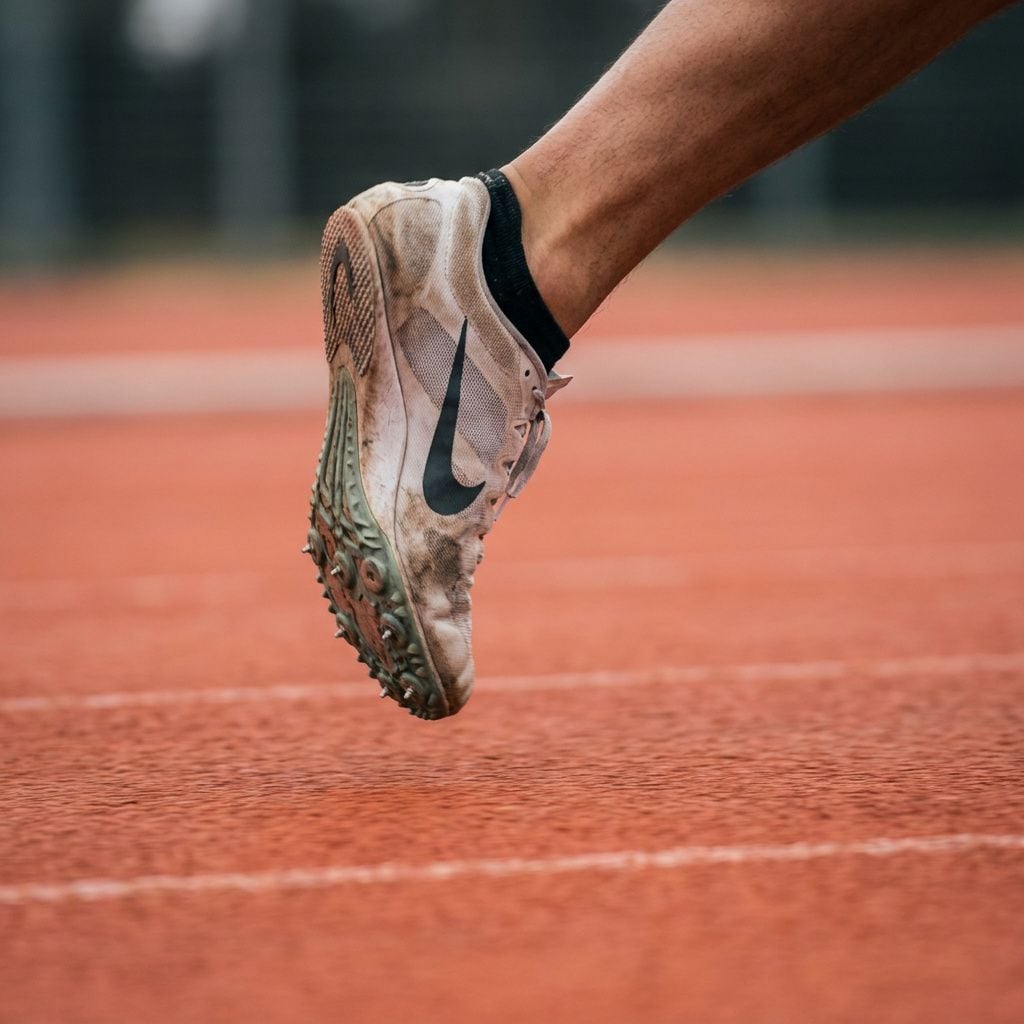 Competition highlight
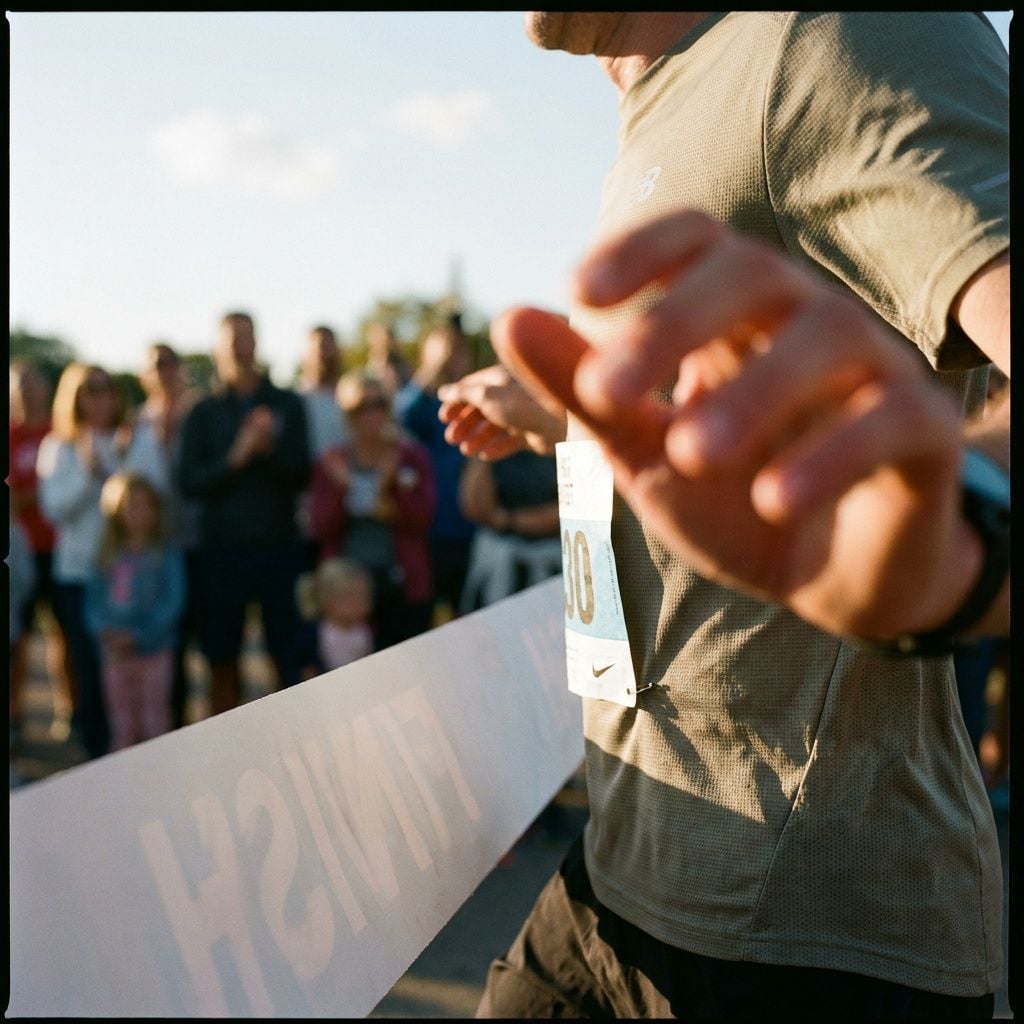 Recovery or rest day
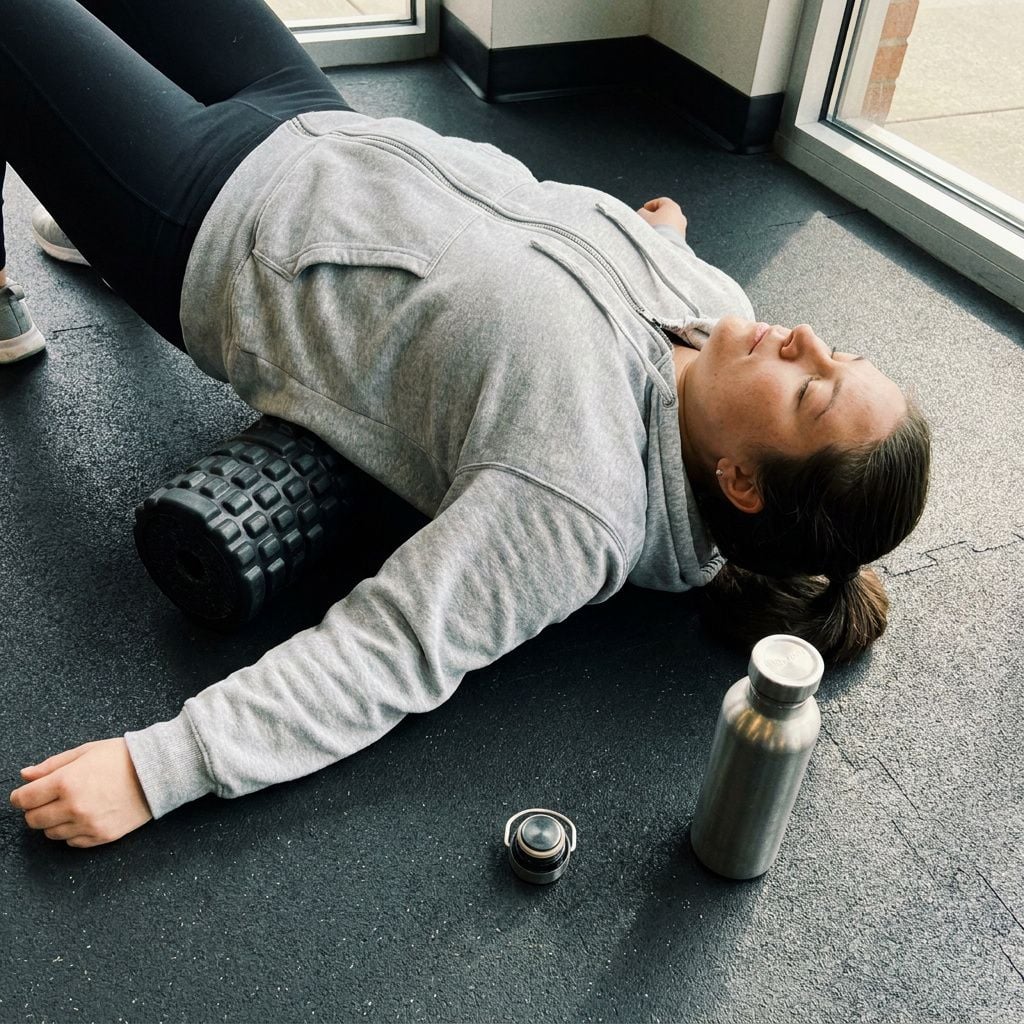 Personal best moment
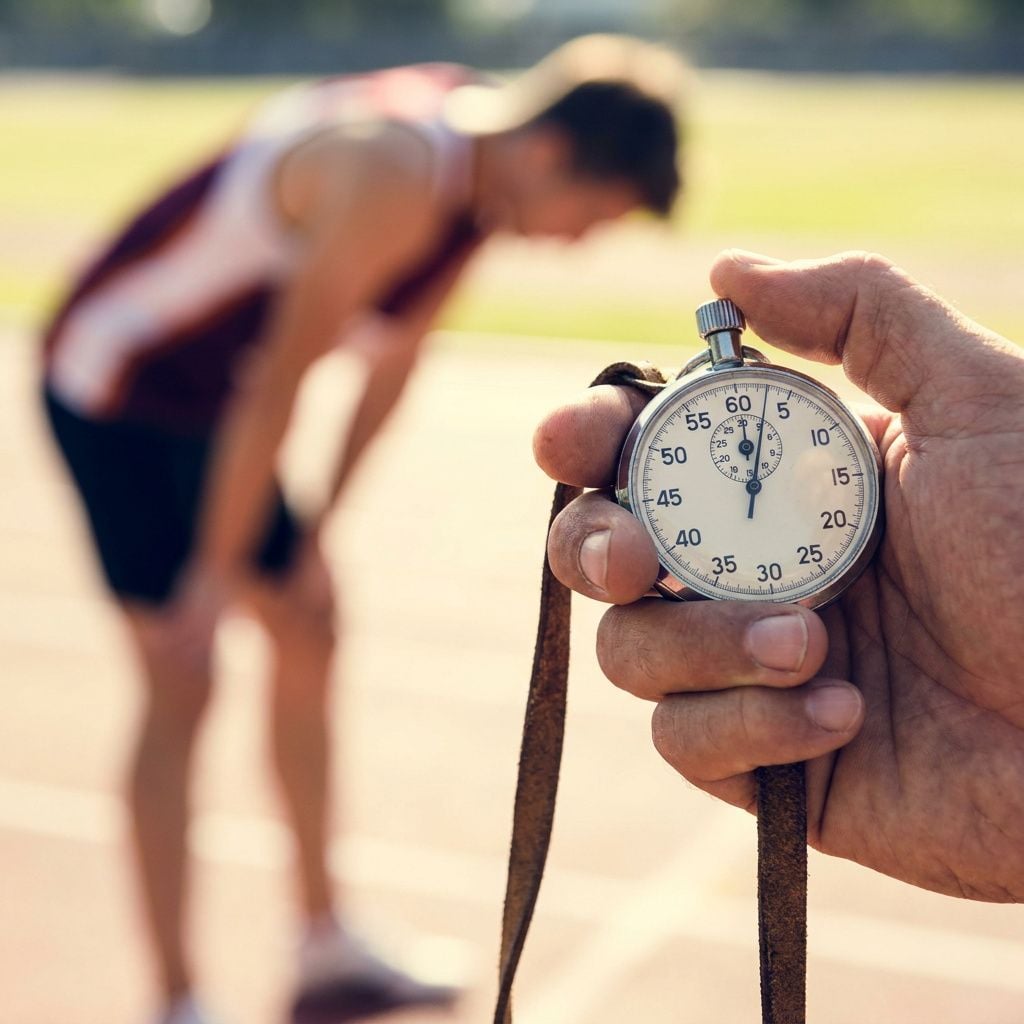 Team or training partner
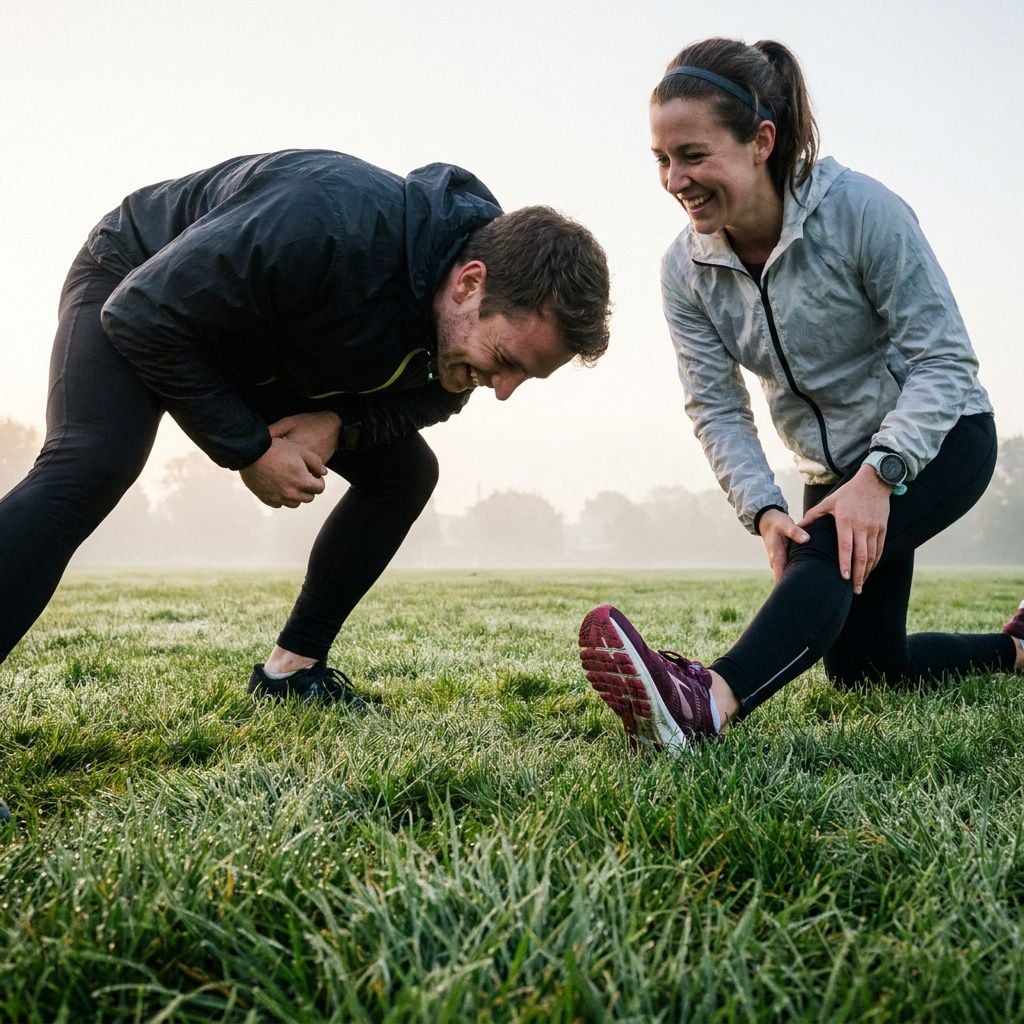 Equipment or gear shot
Once the basics are in place with your Instagram athlete profile
Find a posting rhythm you can keep
Posting every day during a training block and then disappearing for a month looks inconsistent. It is probably better to post two or three times a week steadily than to burn out trying to match what full-time influencers do.
Reply to comments and messages fairly quickly
A lot of the time, someone commenting on a training video is asking about your program, your gear, or how you got into the sport. Those conversations can turn into connections with coaches, sponsors, or other athletes if you respond while they are still paying attention.
Use Reels and Stories for different things
Reels tend to reach people who do not follow you yet, so competition clips and personal bests work well there. Stories are better for day-to-day updates like warm-ups, meals, or travel that your existing followers want to see but that do not need to stay on the grid.
Tag the places and people you train with
Tagging your gym, track, or training facility can get your post shared on their page. The same goes for coaches, physios, or training partners. It is an easy way to reach their followers without doing anything extra.
What costs athlete pages followers
Some athletes only post when they win, which makes the account feel like a highlight reel with no depth. Others disappear for months between seasons and lose the momentum they built. Followers tend to drift away when there is nothing to follow.
Frequently asked questions
Training clips, competition highlights, recovery days, and behind-the-scenes moments tend to do well. Mixing the hard work with the quieter parts gives followers a fuller picture of what you do.
Switch to a professional account and choose 'Athlete' as your category in the settings. It appears under your name and lets you access insights about who views your posts.
Two or three times a week is usually enough if you can keep it consistent. Posting daily during competition season and then vanishing for months tends to hurt more than it helps.
Explore more tips:
- 10 Baddie Instagram Accounts to Follow in 2026
- 14 Pet Influencer Instagram Accounts to Follow in 2026
- 15 Hair Stylist Instagram Accounts to Follow in 2026
- 15 Makeup Artist Instagram Accounts to Follow in 2026
- 15 Nail Artist Instagram Accounts to Follow in 2026
- How to Grow on Instagram as a Photographer
- How to Grow Your Adult Content Page on Instagram: Smart Strategies for Creators
- Instagram for Actors: A Complete Strategy
- Instagram for Artists: A Complete Strategy
- Instagram for Authors: A Complete Strategy
- Instagram for Aviation: A Complete Strategy